 RockCloud-基石云安全-官方博客
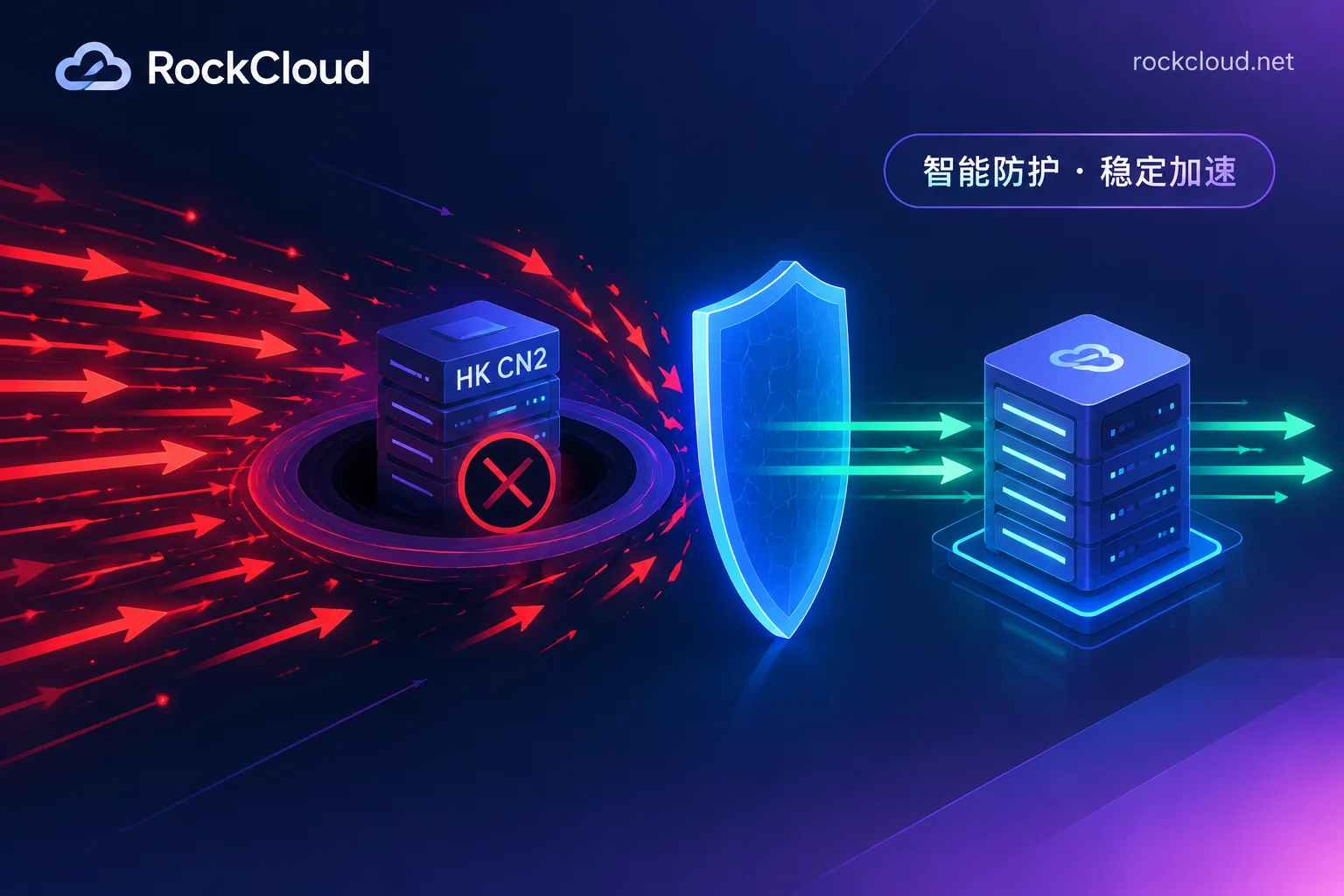
What to Do When a Hong Kong CN2 Server Is Hit by DDoS: Confirm Blackhole, Switch IP, Add Protection, Then Lock Down the Origin
Recovery sequence after a Hong Kong CN2 server is knocked offline by DDoS: check if it's in blackhole, decide whether to wait or change IP, add high-defense based on protocol, allow only origin-pull subnets at the origin, and finally audit IP leaks.
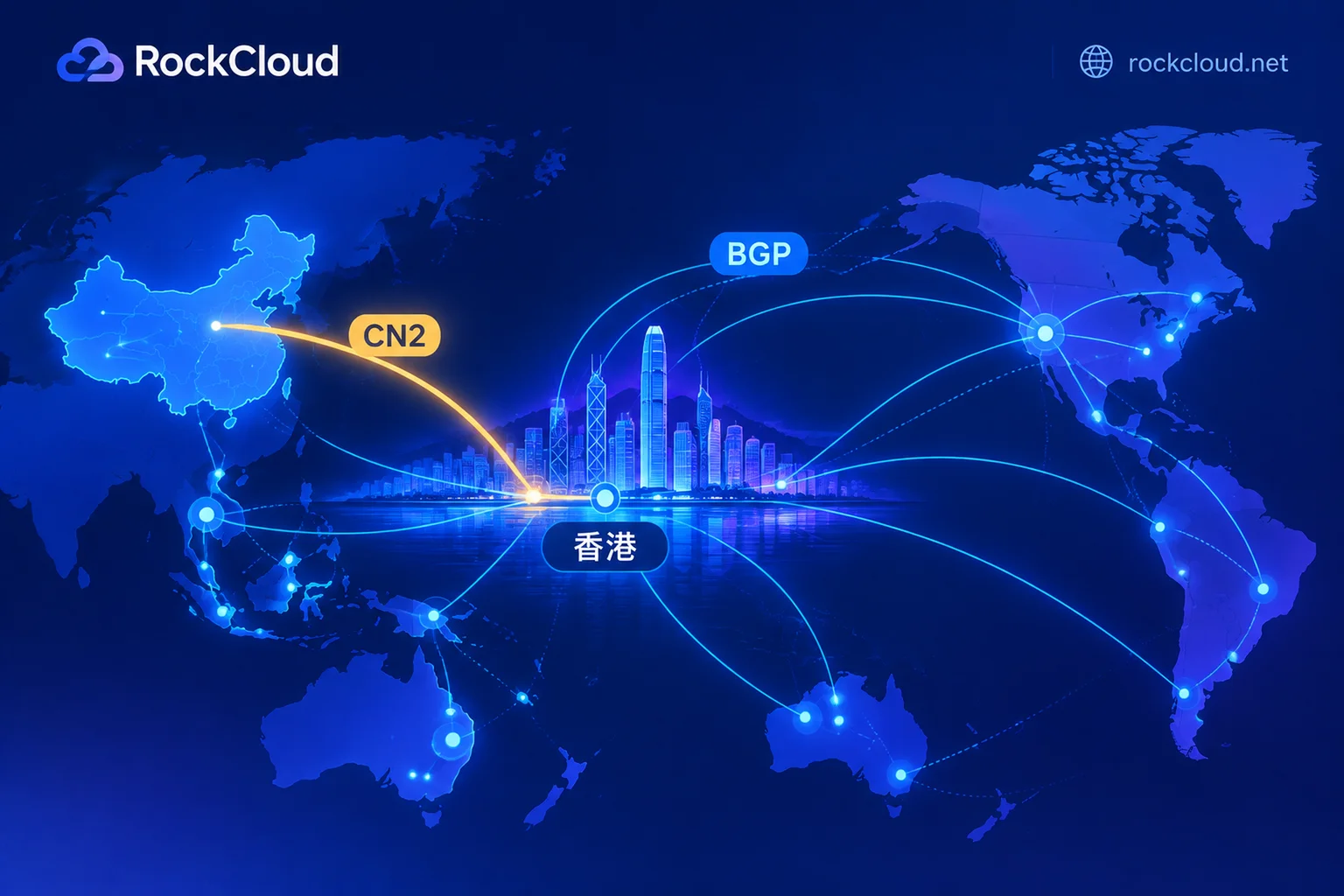
Hong Kong CN2 vs Hong Kong BGP: Which Is Better? It Depends on Your Users, Latency Needs, and Bandwidth Budget
Hong Kong CN2 and Hong Kong BGP are not the same layer of concept. This article first clarifies the difference, then explains their gaps in mainland peak hours, overseas coverage, and bandwidth cost, and provides selection criteria by business type plus pre-purchase verification items.

Hong Kong CN2 Server Packet Loss During Peak Hours: Check Local First, Test Return Route, Then Fix Line or Add Acceleration
Hong Kong CN2 servers often experience packet loss and higher latency between 20:00 and 23:00. Common causes fall into five categories: server load or bandwidth saturation, return route not using CN2 GIA, cross-network detours for China Mobile and China Unicom users, upstream bandwidth overselling, and small-scale attacks. This article provides a troubleshooting sequence: first check local load and NIC, then run bidirectional MTR during peak hours, then verify line type and differences among the three major networks, and finally choose the appropriate solution.
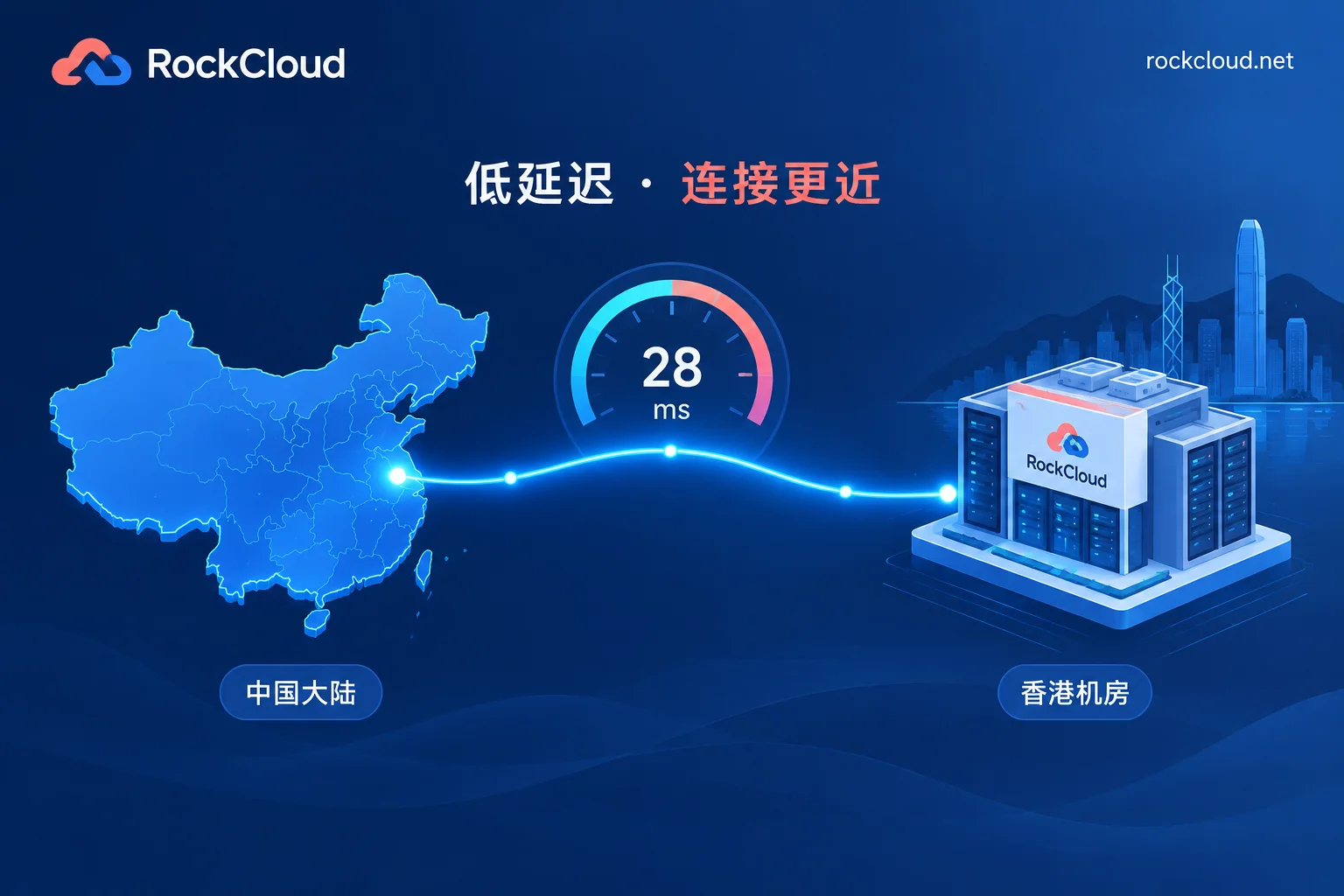
What Is Normal Latency for Hong Kong CN2 Servers: Regional Benchmarks, Pass/Fail Criteria, and Troubleshooting
Round-trip latency from mainland China to Hong Kong CN2 is typically 20–50 ms, with southern China lowest and the northwest highest; this article provides regional reference ranges plus packet loss, jitter, and peak-hour pass/fail criteria.
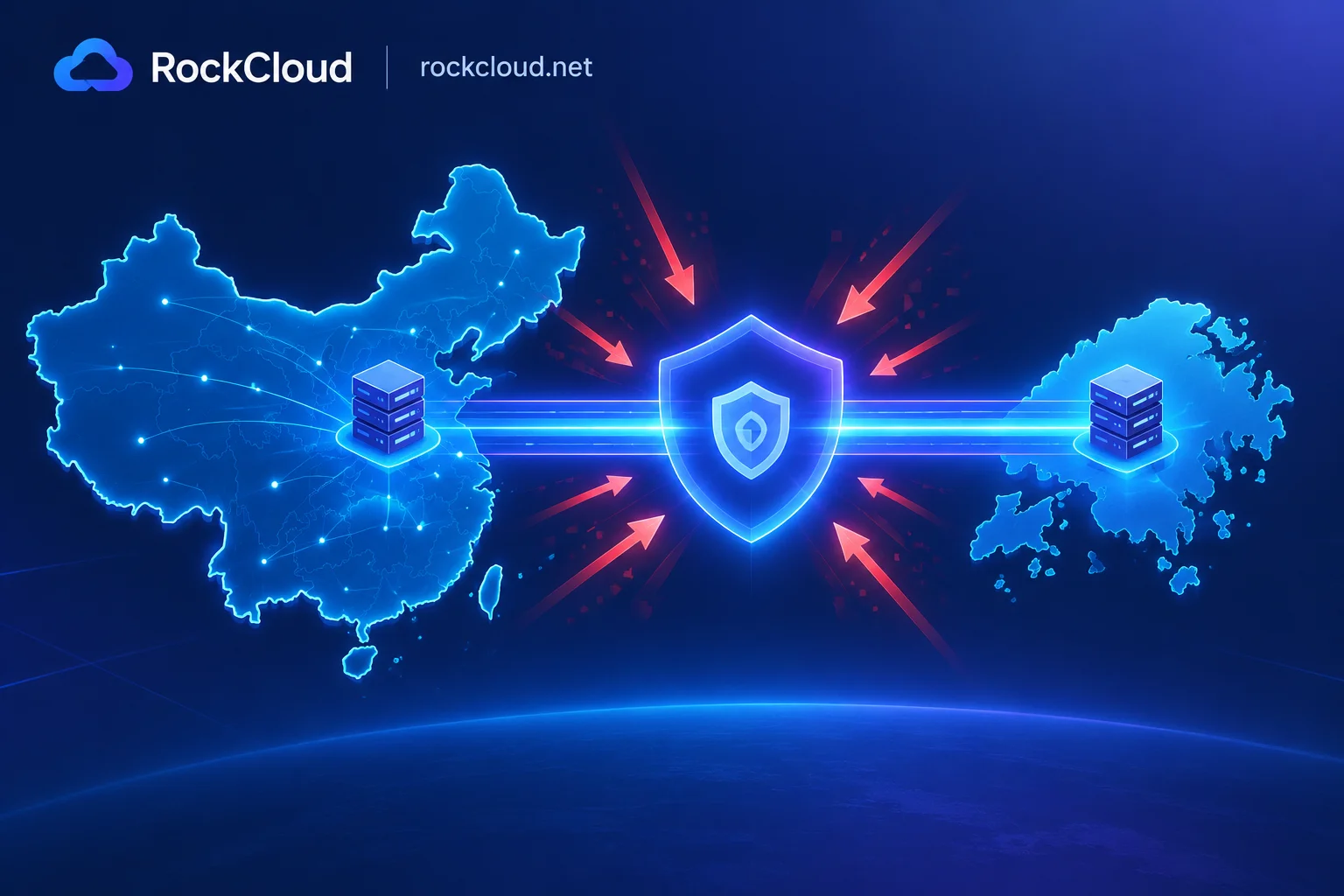
Which Businesses Are Suited for Hong Kong CN2 DDoS-Protected Servers: Three Scenarios, Two Limitations, and Common Architectures
Hong Kong CN2 DDoS-protected servers are best for businesses that meet three conditions: primary users in mainland China, sensitivity to latency and packet loss, and frequent DDoS or CC attacks. This article explains the selection priorities for gaming, financial and payment APIs, and overseas-facing independent websites, analyzes two limitations—high bandwidth costs and route switching after attacks exceed capacity—and provides three architectures: standalone, front-end DDoS-protected CDN, and game shield, along with questions to confirm before procurement.