 RockCloud-基石云安全-官方博客
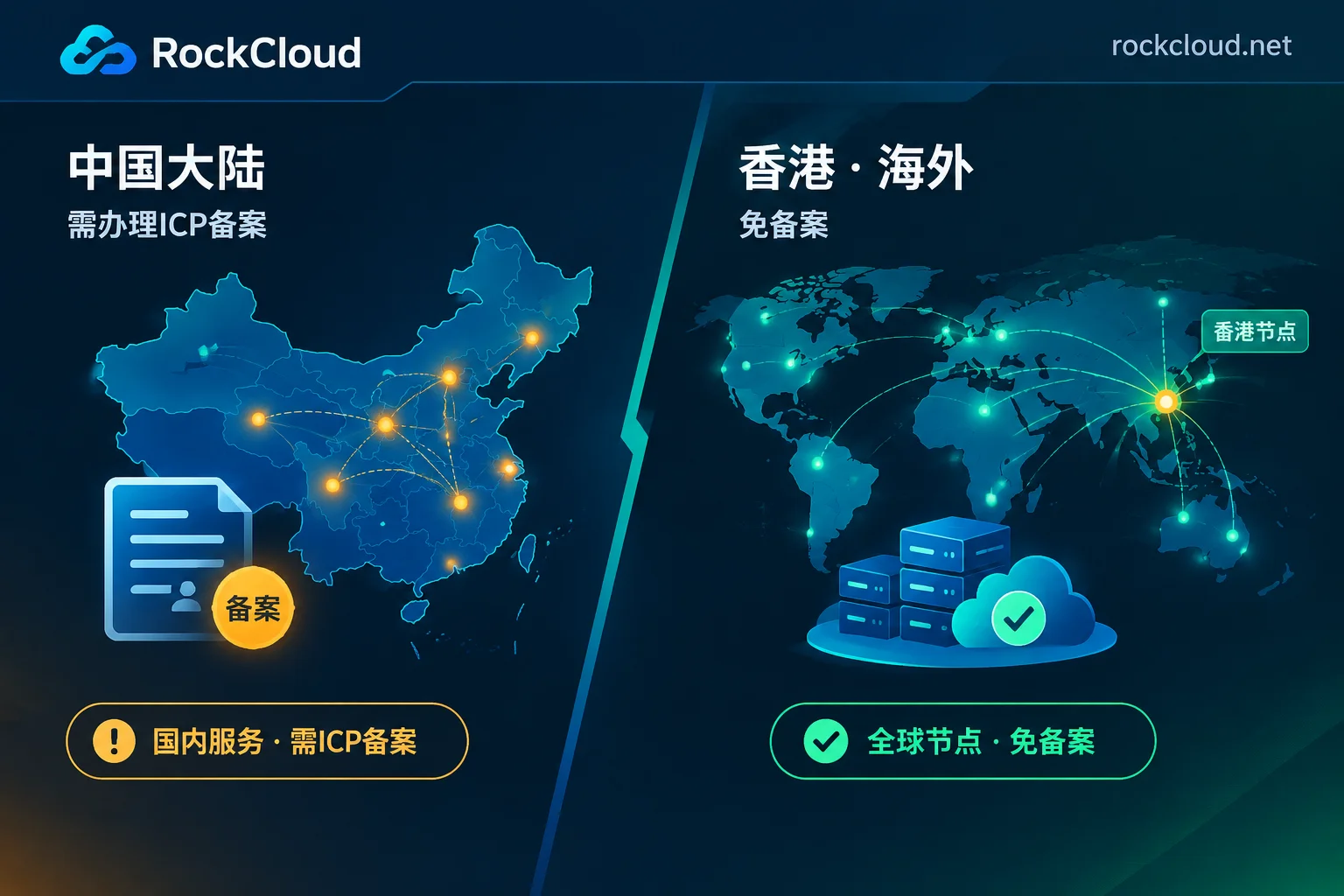
Does High-Defense CDN Require ICP Filing: Node Location Decides, No-Filing Access Solutions for Unregistered Domains
Whether a high-defense CDN requires ICP filing depends entirely on the physical location of its nodes, not on its protection capabilities. Using mainland China nodes requires an MIIT ICP filing, while using Hong Kong or overseas nodes allows access without filing. For unregistered domains or emergency protection, choosing Hong Kong/overseas nodes with CN2 direct connections is standard practice.
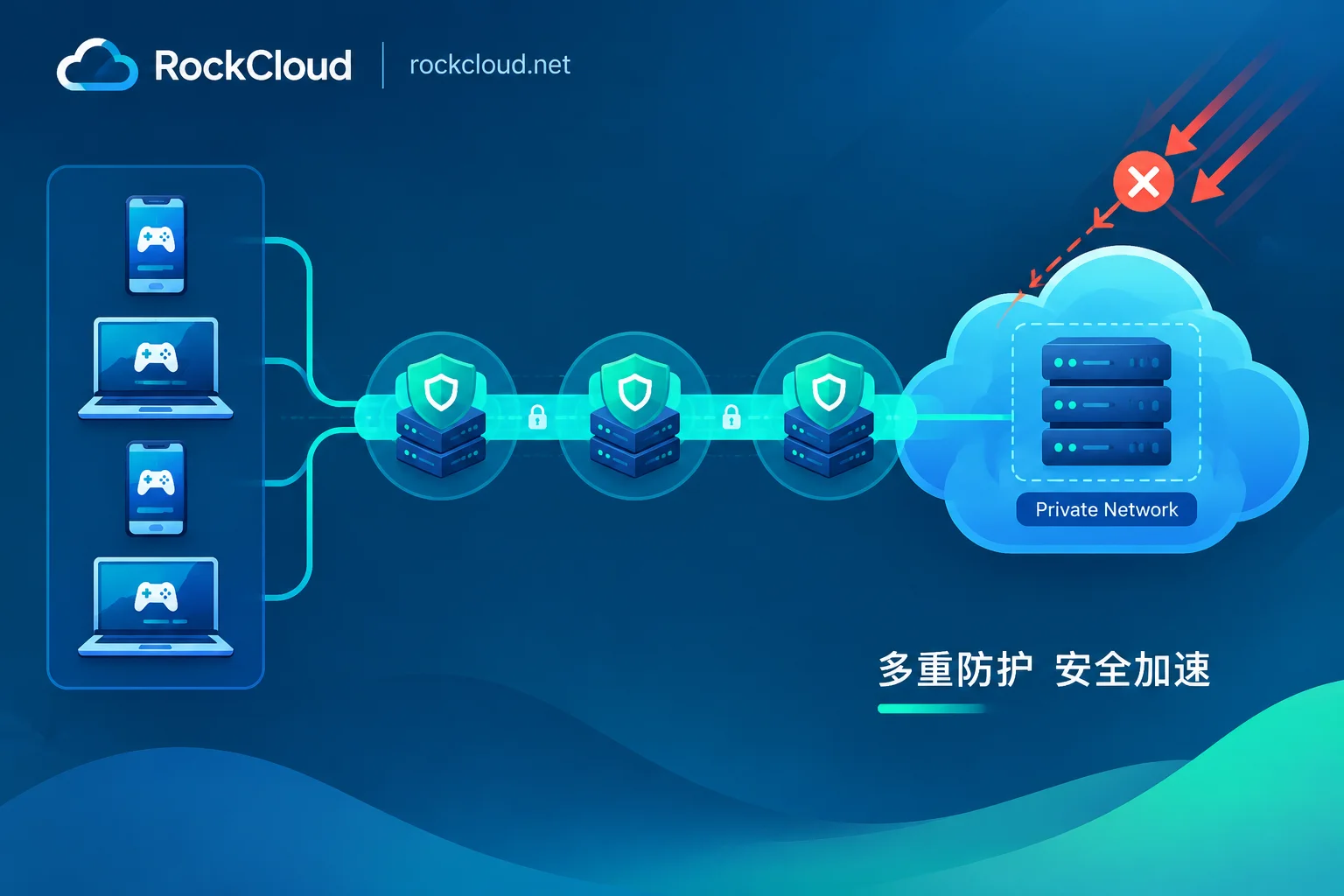
How to Hide Origin IP When a Card Game Server Is Attacked: Contain, Change IP, Encapsulate Access in Three Steps
When the origin IP is exposed, attacks bypass perimeter defenses and hit the server directly, sometimes leading to ISP blackholing. This article presents an operations-driven sequence: first contain the breach with security group whitelisting, then close all leak channels such as hardcoded client IPs, DNS history, and outbound callbacks, then change the public IP and move core nodes into a private network, and finally encapsulate access for long connections and web traffic separately through game shield and high-defense reverse proxy, with a mandatory post-change verification checklist.

How to Choose Between Game Shield and High-Defense CDN: 4 Criteria Determine Feasibility and Defense Depth
The choice between Game Shield and High-Defense CDN depends on business protocol layer, client form, defense depth requirements, and origin exposure risk.

Route Verification and Capacity Boundaries in Global Acceleration Networks for Cross-Border Access Speeds
This article explains the actual mechanisms of global acceleration networks in cross-border scenarios, pointing out that node count is not the only decisive factor. By comparing CDN roles, Anycast routing logic, and the 2026 attack landscape, it provides acceptance criteria for multi-location probing and time-based testing, helping operations and procurement personnel clarify the independent boundaries between link optimization and traffic cleansing.

How to Choose CDN Security Acceleration? Key Points for Three-Layer Decision-Making and Verification
This article dissects the three-layer mechanisms of CDN security acceleration—capacity absorption, request buffering, and Layer-7 rules—from the dual decision chains of acceleration and security, and provides the root causes and verification checklists for origin servers being directly attacked.