RockCloud-基石云安全-官方博客

New Trends in Global Acceleration Networks: How to Achieve Ultra-Fast Cross-Border Access While Ensuring Business Security?
An analysis of the latest trends in global acceleration networks and how RockCloud's anti-DDoS CDN enables end-to-end security and access optimization for businesses facing dual needs of anti-DDoS protection and cross-border acceleration.

Why Non-Filing CDN Access from Mainland China Is Often Slow: Return Routes, High-Defense Scrubbing, and a No-NS-Change Onboarding Solution
Many businesses choose non-filing CDNs to skip the lengthy ICP filing process, but after launch they often face evening peak lag for mainland users, origin servers overwhelmed by CC attacks, and huge bills from traffic-based billing being abused. This article analyzes from three dimensions—cross-border return routing, same-path DDoS/CC scrubbing, and smooth CNAME onboarding—how to build a non-filing acceleration defense line that balances mainland access speed and attack resistance.
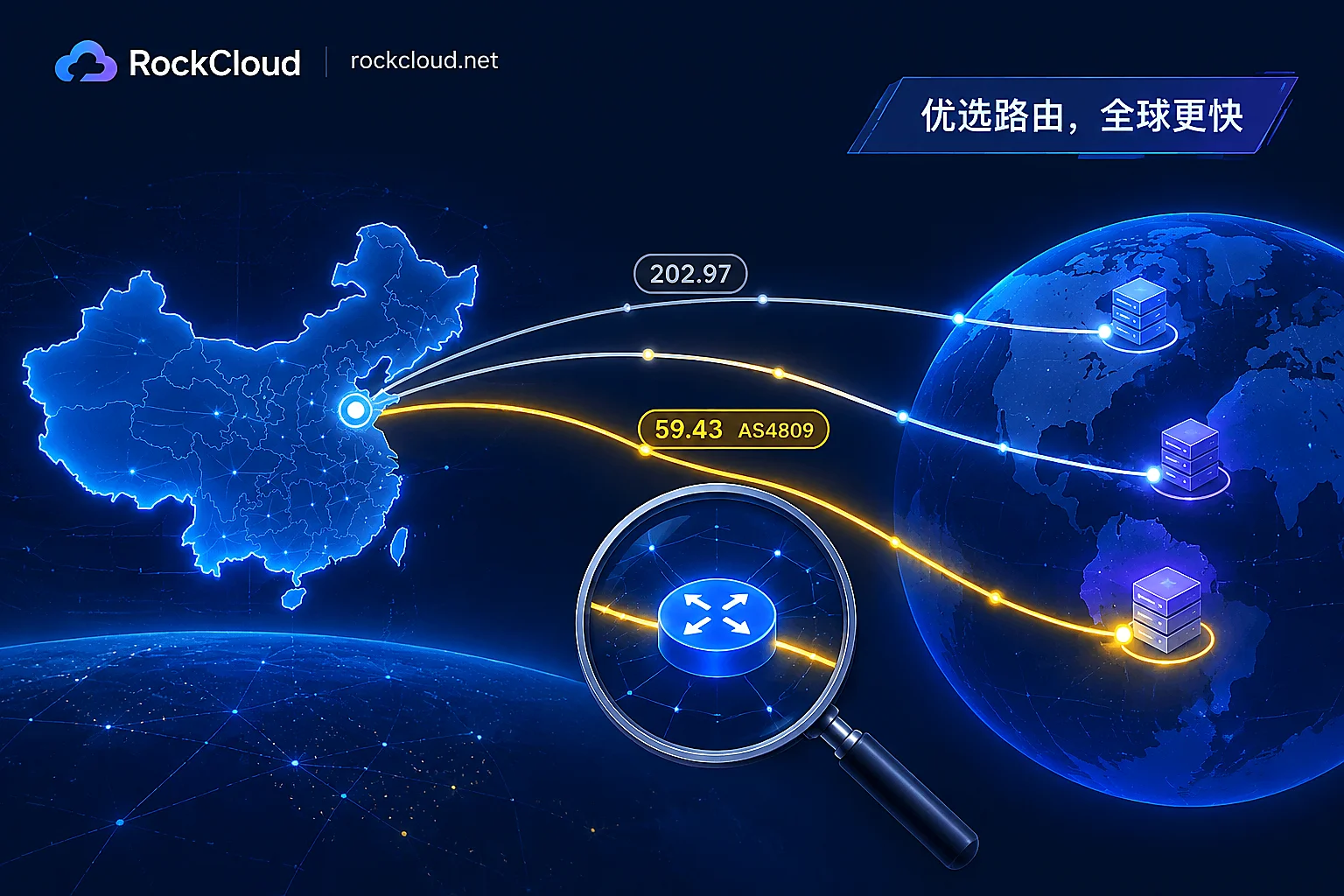
How to Tell If It's Really a CN2 Line: Check AS4809 and 59.43, and Test Both Outbound and Return Paths
A four-step method to verify whether a CN2 line is genuine: use MTR or Traceroute to check ASNs and IP ranges, test the outbound path, then test the return path (which is easier to fake), and finally retest during peak evening hours, examining China Telecom, China Unicom, and China Mobile separately.
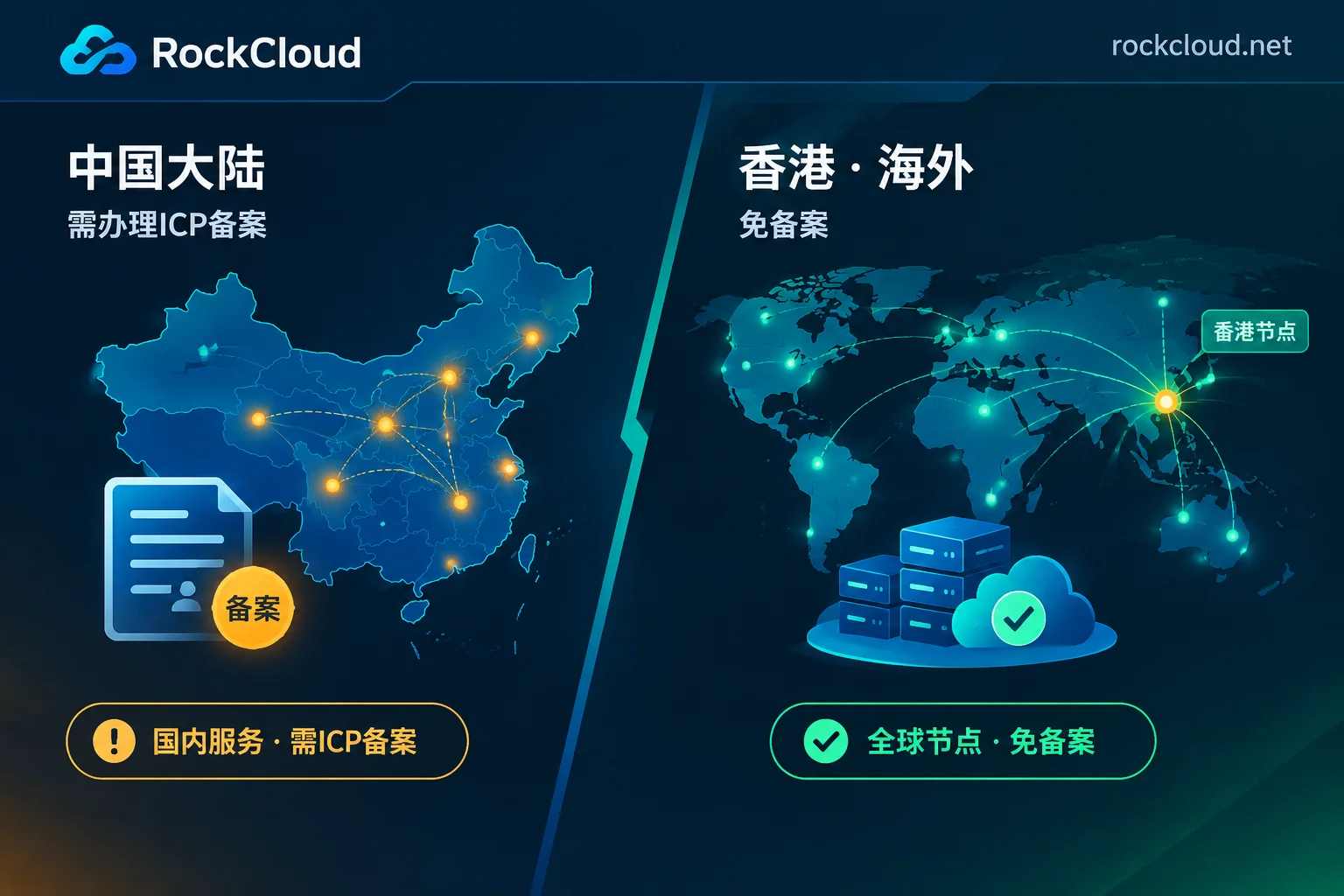
Does High-Defense CDN Require ICP Filing: Node Location Decides, No-Filing Access Solutions for Unregistered Domains
Whether a high-defense CDN requires ICP filing depends entirely on the physical location of its nodes, not on its protection capabilities. Using mainland China nodes requires an MIIT ICP filing, while using Hong Kong or overseas nodes allows access without filing. For unregistered domains or emergency protection, choosing Hong Kong/overseas nodes with CN2 direct connections is standard practice.
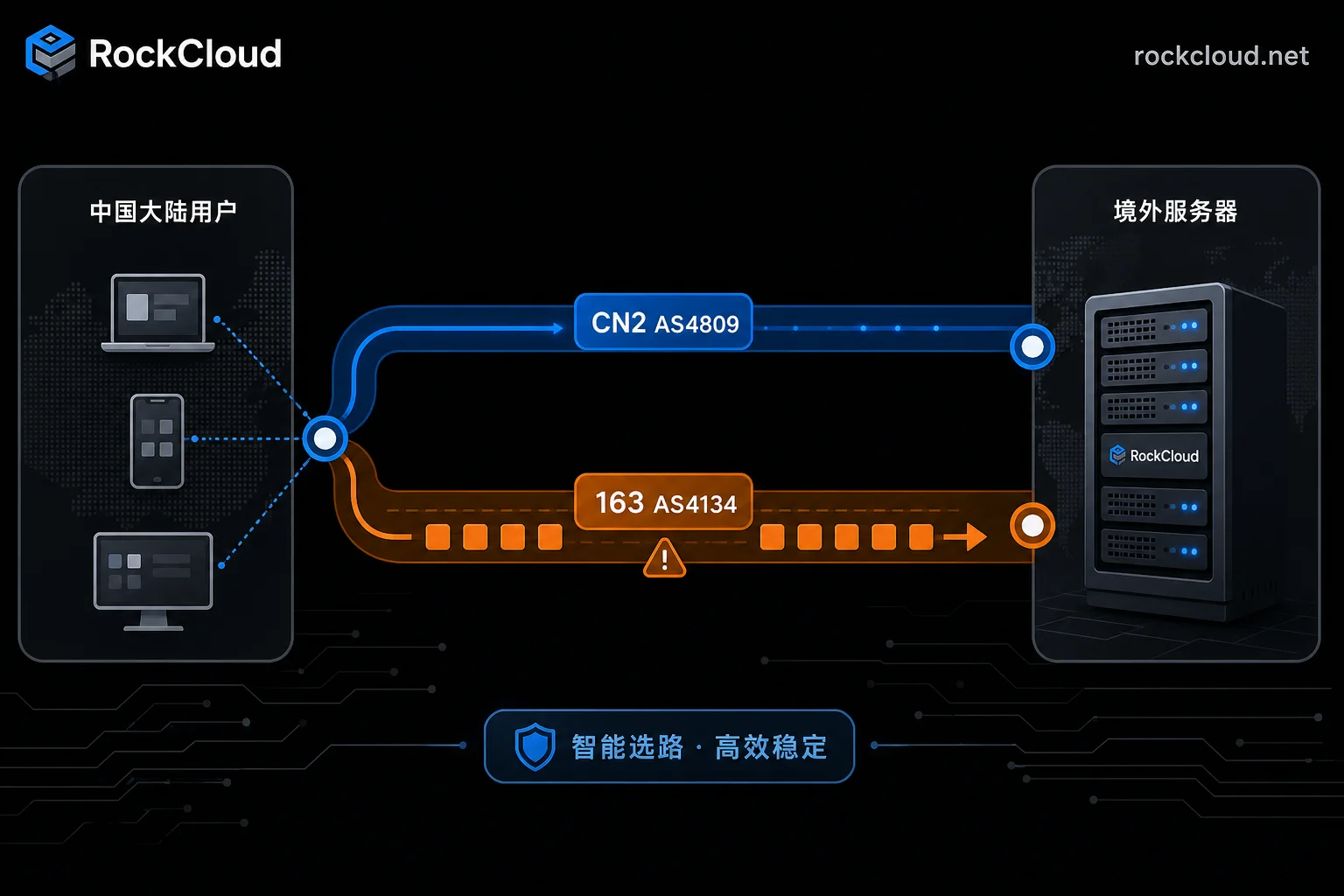
Choosing CN2 Line Acceleration: Test the Return Path First, Then Compare GT vs GIA
Before choosing a CN2 line, locate the bottleneck and distinguish between GT and GIA via AS numbers and route segments, focusing on testing the return path and cross-carrier performance.