RockCloud-基石云安全-官方博客
RockCloud Blog
Insights on cloud security, DDoS protection, CDN acceleration and reliable infrastructure.

In 2026, Hackers Have AI: DDoS Defense Gets Much Harder, But RockCloud Still Handles It Easily
In 2026, AI scripts paired with residential proxies make CC attacks look like real user traffic, and massive volumetric attacks often end within minutes—too fast for manual response. This article explains the signs of these new attacks in logs, the order of mitigation steps when under attack, and how to evaluate network-layer scrubbing, application-layer WAF, private protocol encapsulation, and billing models during selection.
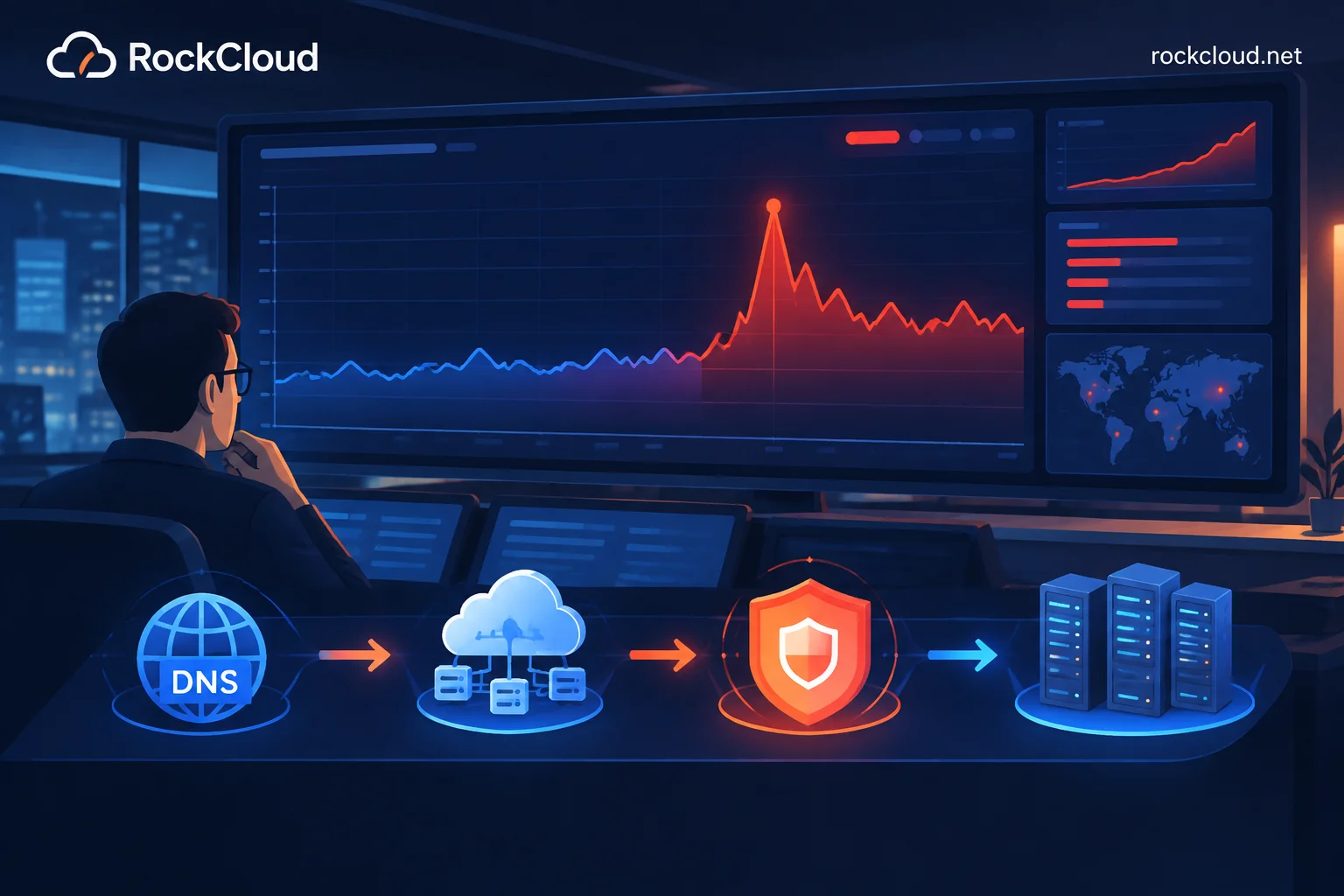
Your Website Is Under a Large-Scale Attack: Fast CDN Onboarding Order and Lockdown Essentials
When an attack is already underway, mounting a CDN isn't just about registering an account. This article lays out the actual hands-on order: configure origin pull and certificates on the CDN side, verify the path with hosts, then switch DNS, then lock down the origin firewall or change IPs, and finally enable edge emergency mode—plus handling exceptions like TTL caching, API services that can't go through challenges, and an origin that's already been blackholed.
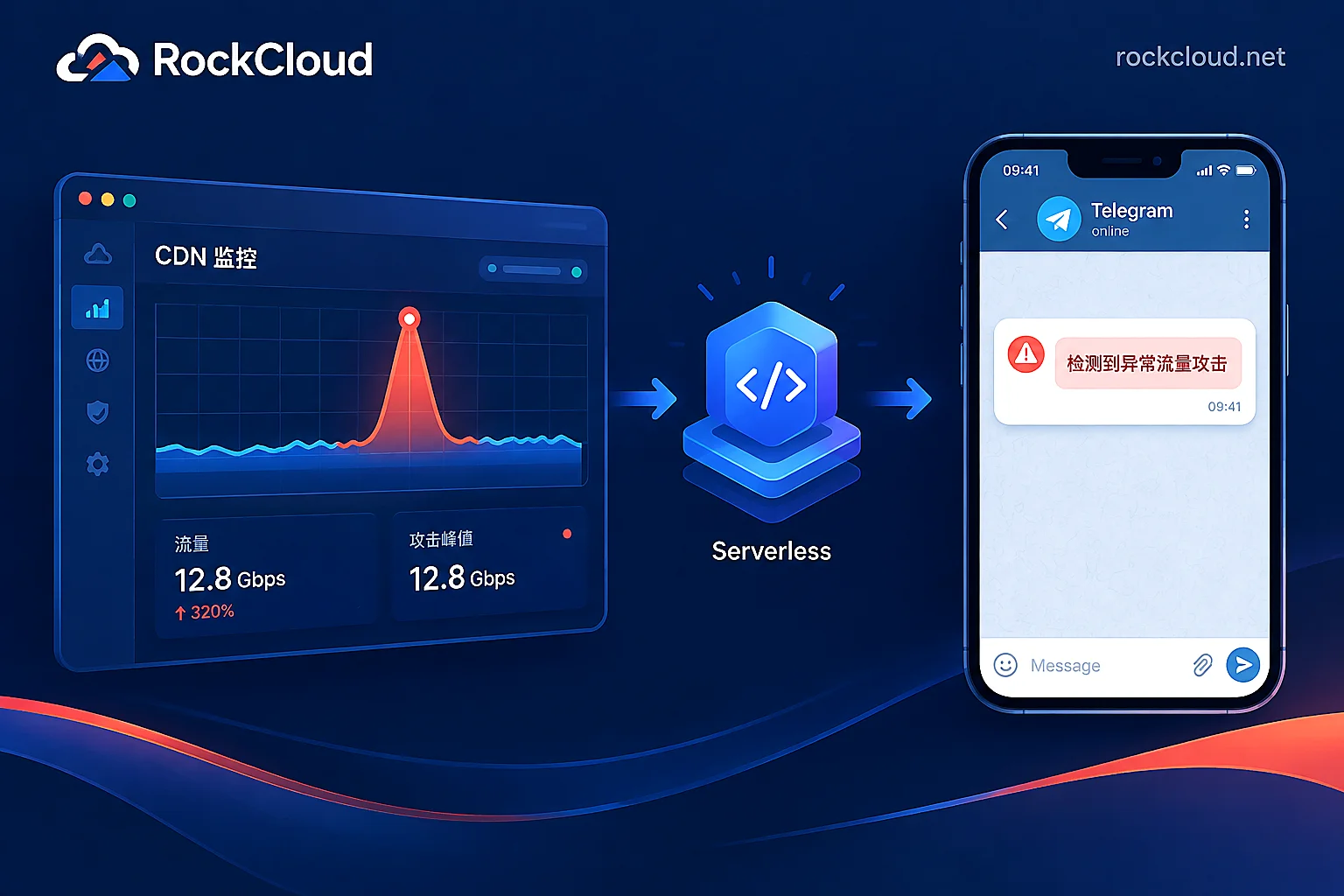
How to Push CDN Data to Telegram: Native Binding, Webhook Relay, and Scheduled Reports
Push CDN attack blocks, bandwidth spikes, origin 5xx errors, and certificate expiry to a Telegram group: check if the console has a native Telegram channel; if so, enter the Bot Token and Chat ID directly; if only a generic Webhook is available, add a serverless conversion layer; for daily reports and Top statistics, use logs or OpenAPI for scheduled aggregation. This article covers the complete workflow from Bot creation and chat_id retrieval to forwarding scripts, alert convergence, and rate limit pitfalls.
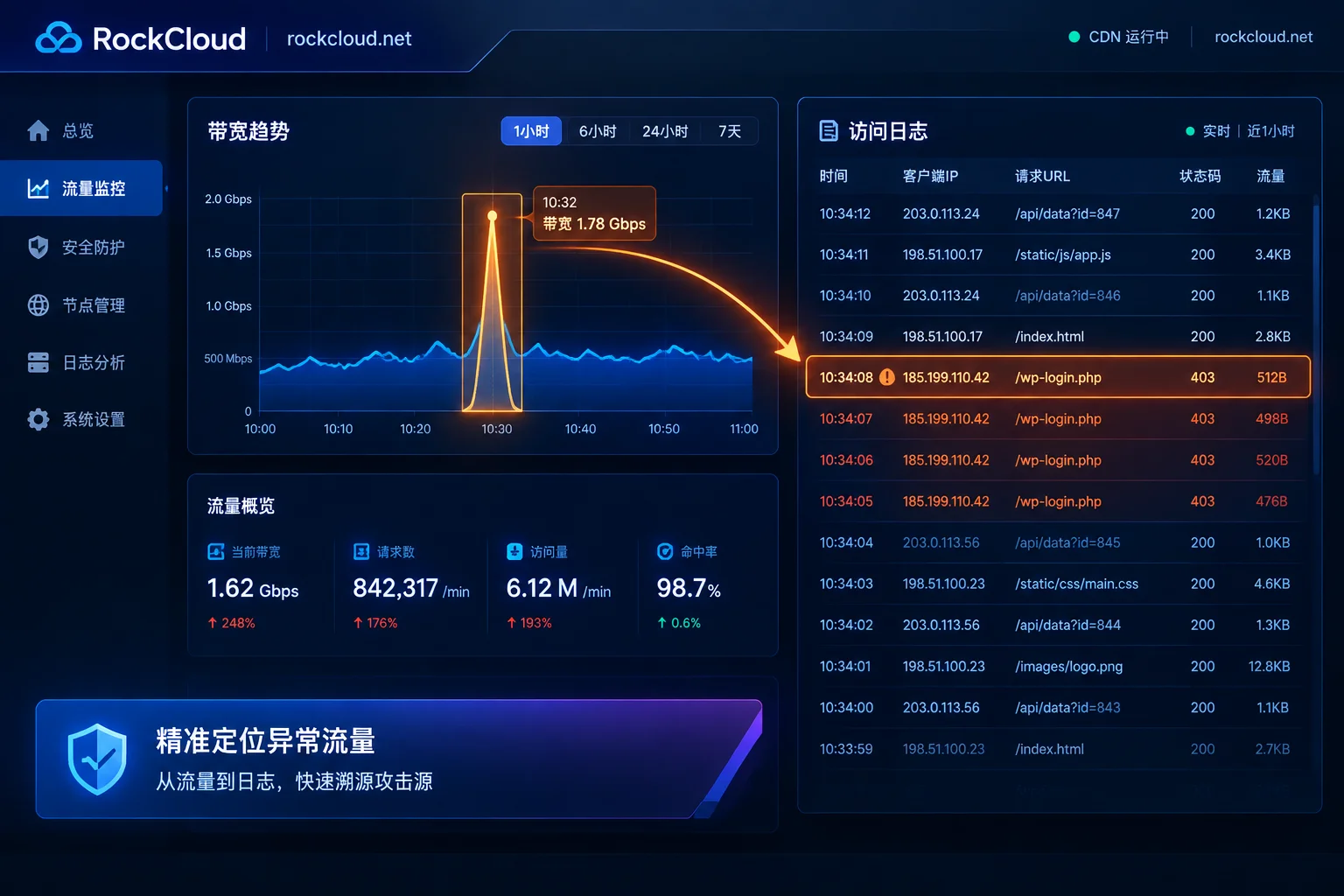
How to Read Traffic and Network Logs in a CDN Console: From Dashboard Anomalies to Individual Requests
The CDN console has two layers: dashboards answer 'when and how much', logs answer 'who and what'. This article provides a three-minute inspection sequence, essential log fields, and troubleshooting paths for four types of anomalies: traffic spikes, cache hit rate drops, 403 surges, and 502/504 errors.
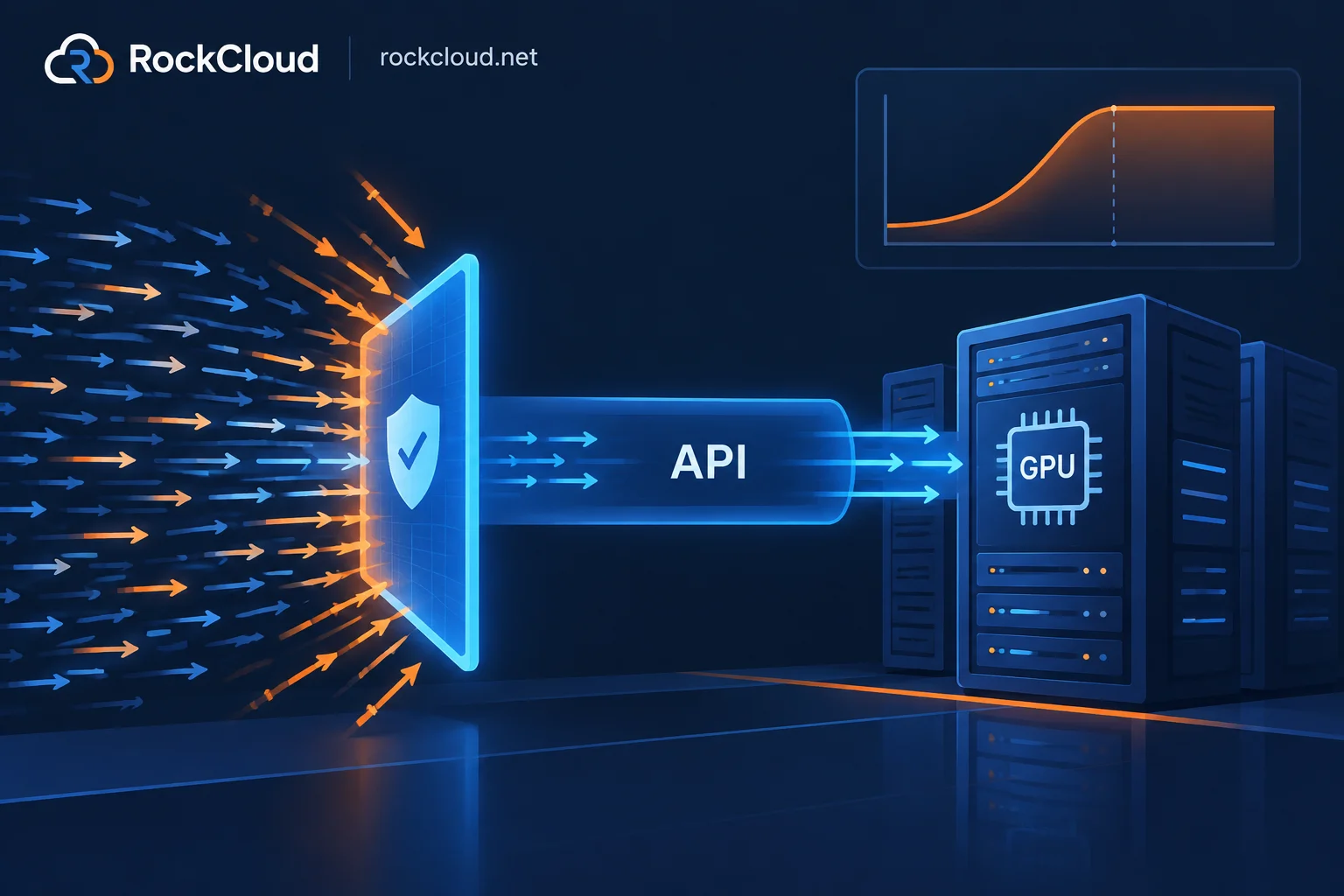
How to Rate-Limit Stolen Large-Model API Calls: Stop the Bleeding First, Then Set Tiered Thresholds by Token
When large-model APIs are abused, IP-based RPS limits often fail because cost lies in tokens and inference time; this article gives the first-hour containment sequence and explains the four dimensions rate limiting must cover, plus gateway composite-key configurations.