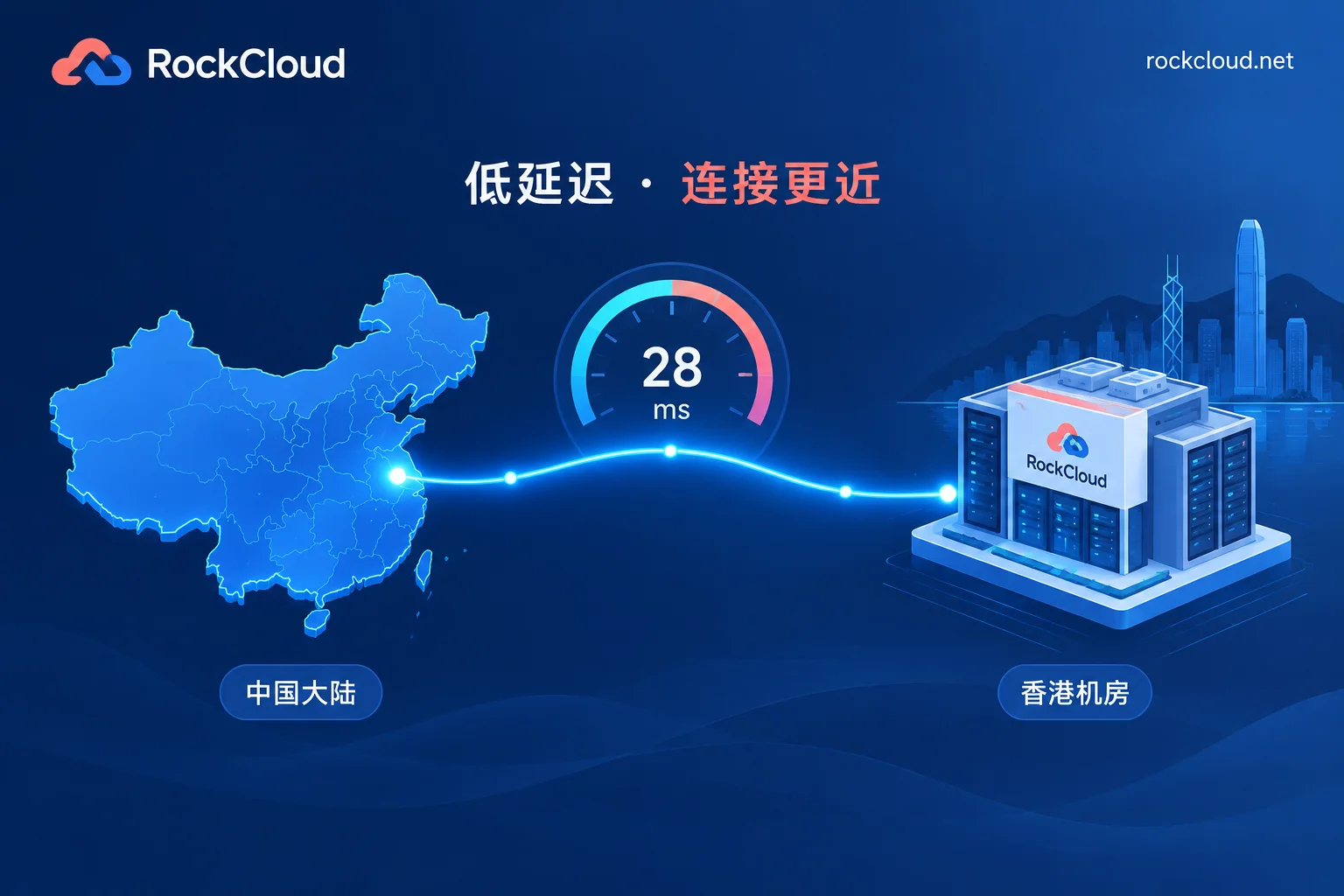
 RockCloud-基石云安全-官方博客
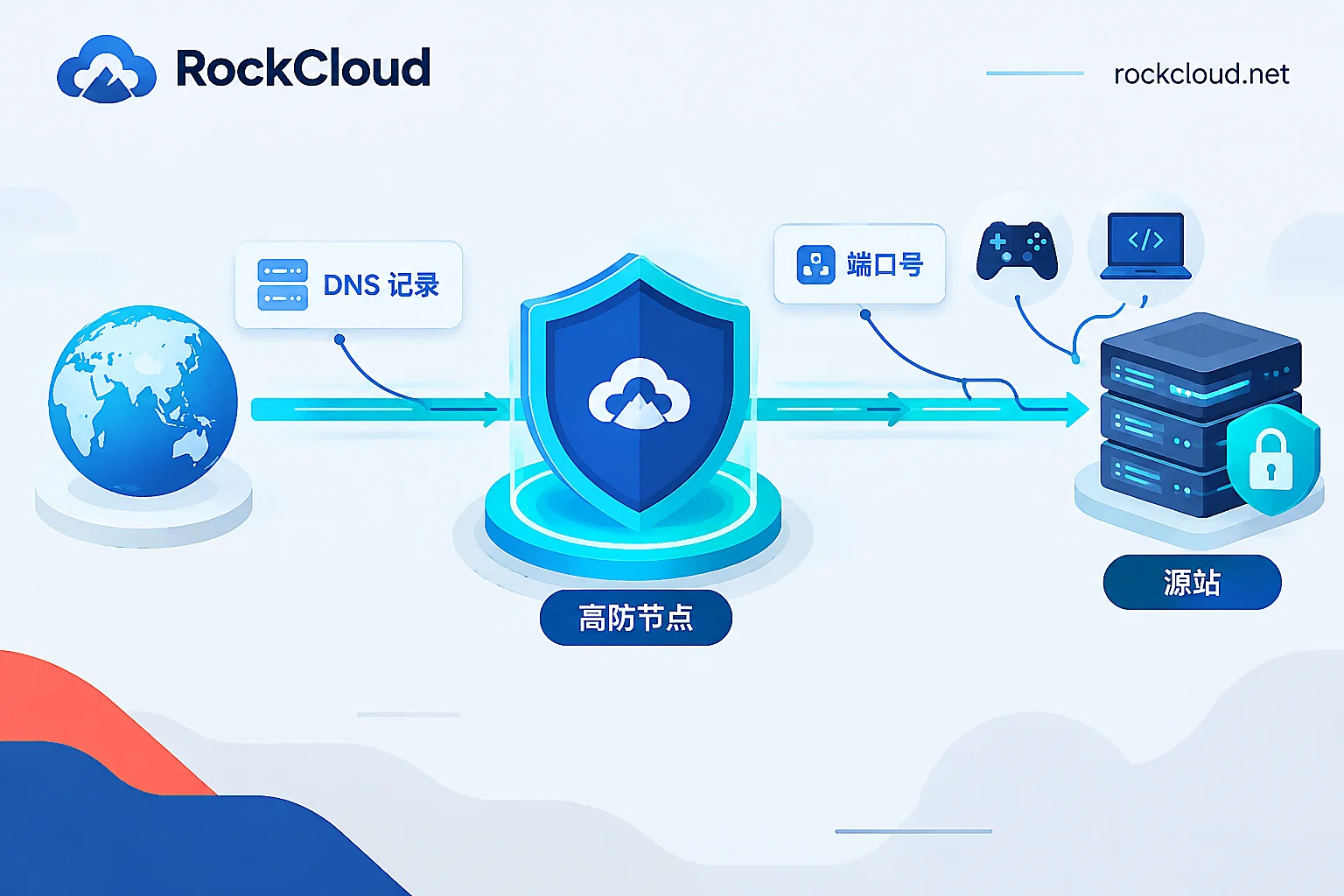
High-Defense IP: Change DNS or Change Ports? Understanding the Change Points and Onboarding Order by Business Type
When onboarding a high-defense IP, you usually change the user access entry point rather than the origin server's listening port: website businesses change DNS, while TCP/UDP businesses configure forwarding rules and then replace the client connection address.
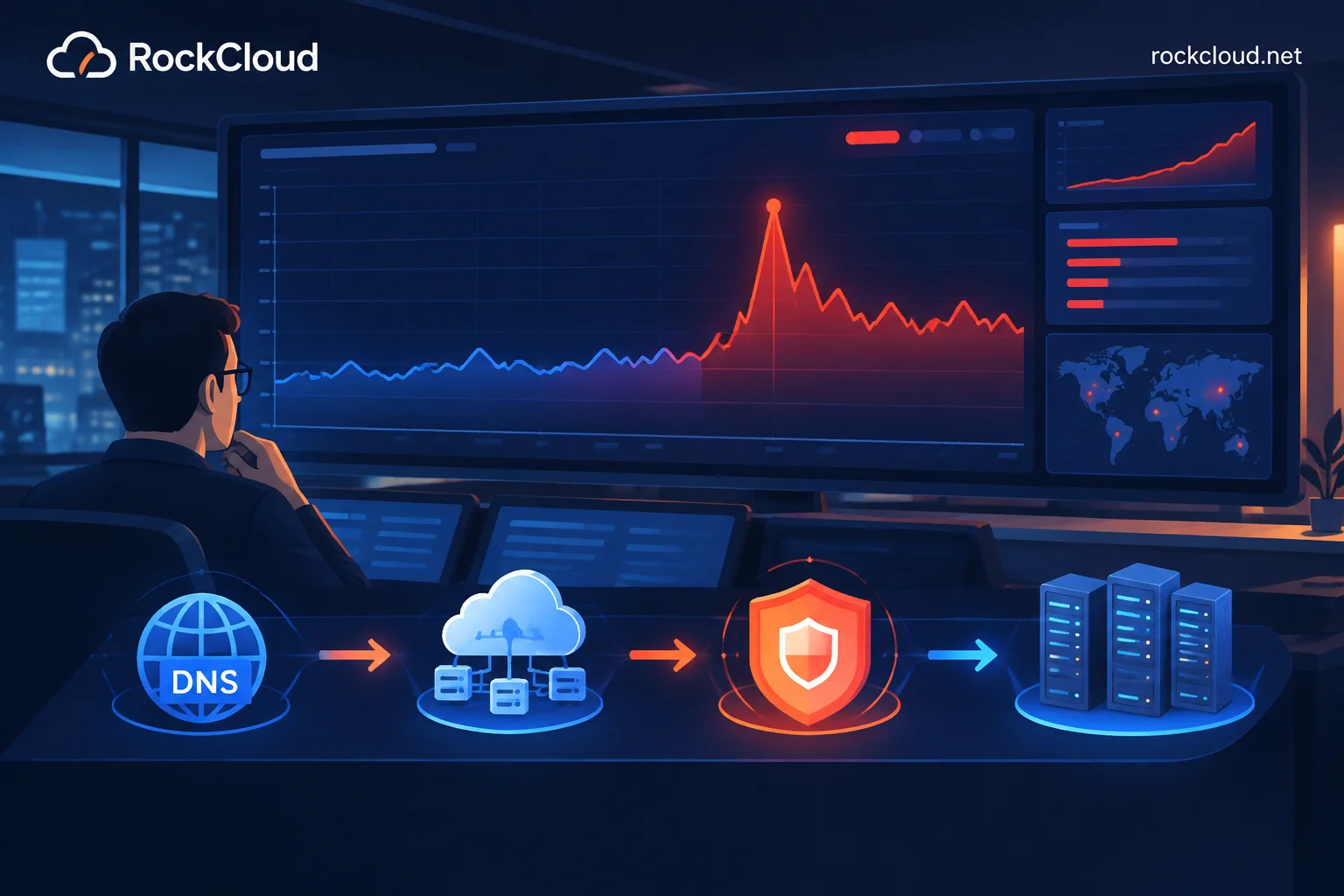
Your Website Is Under a Large-Scale Attack: Fast CDN Onboarding Order and Lockdown Essentials
When an attack is already underway, mounting a CDN isn't just about registering an account. This article lays out the actual hands-on order: configure origin pull and certificates on the CDN side, verify the path with hosts, then switch DNS, then lock down the origin firewall or change IPs, and finally enable edge emergency mode—plus handling exceptions like TTL caching, API services that can't go through challenges, and an origin that's already been blackholed.

How to Hide Your Origin Server: 5 Defense Layers from Exposure to mTLS Origin Pull
Learn a 5-layer defense strategy to hide your origin server from direct attacks, covering exposure cleanup, DNS resolution lockdown, network whitelisting, mTLS authentication, and edge capacity.

How to Choose CDN Security Acceleration? Key Points for Three-Layer Decision-Making and Verification
This article dissects the three-layer mechanisms of CDN security acceleration—capacity absorption, request buffering, and Layer-7 rules—from the dual decision chains of acceleration and security, and provides the root causes and verification checklists for origin servers being directly attacked.

Seamless High-Defense CDN Onboarding: 6 Steps for Zero-Downtime Migration
Follow this 6-step process to integrate a high-defense CDN without downtime, covering DNS TTL reduction, origin pre-whitelisting, certificate alignment, gray traffic shifting, real IP passthrough, and origin whitelist lockdown.