 RockCloud-基石云安全-官方博客

Can a CDN Protect a UDP Game Server Under Attack?
Standard web CDNs cannot proxy UDP traffic, and while a few Layer 4 CDNs can reverse-proxy UDP, they suffer from latency sensitivity and plan restrictions. The mainstream choices for UDP game servers under DDoS attack are game shields (SDK encapsulation + hidden origin + millisecond-level scheduling) or Layer 4 high-defense IPs (full-port scrubbing but no protocol encryption), depending on whether the client can integrate an SDK and tolerance for latency.
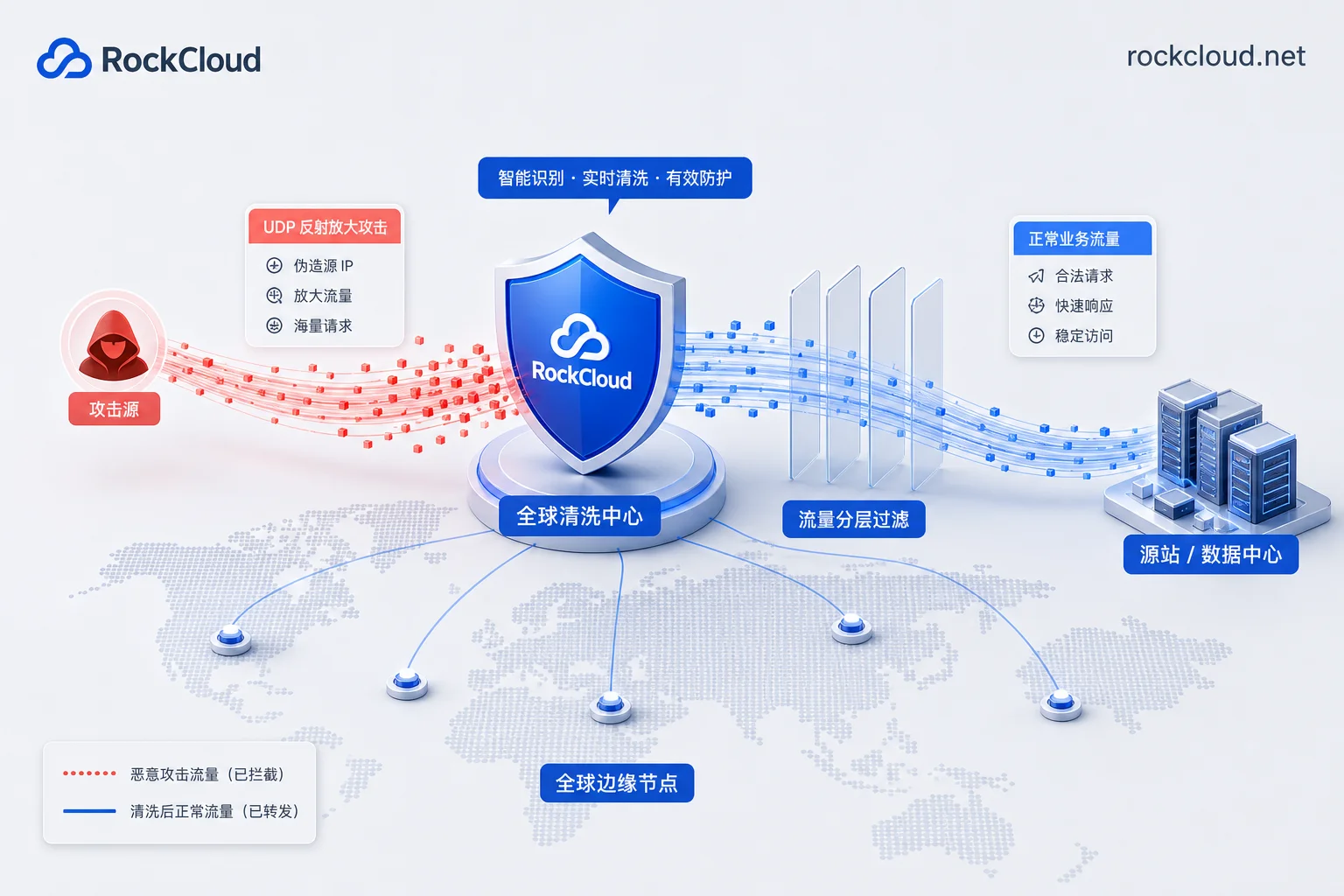
Pros and Cons of Blocking Overseas UDP Traffic on Overseas High-Defense IP: How to Decide Among 4 Trade-offs
Blocking overseas UDP traffic on overseas high-defense IP can quickly stop reflection amplification attacks, but it also disrupts DNS, QUIC, gaming protocols, and more. This article breaks down the pros and cons and offers four strategic trade-offs.
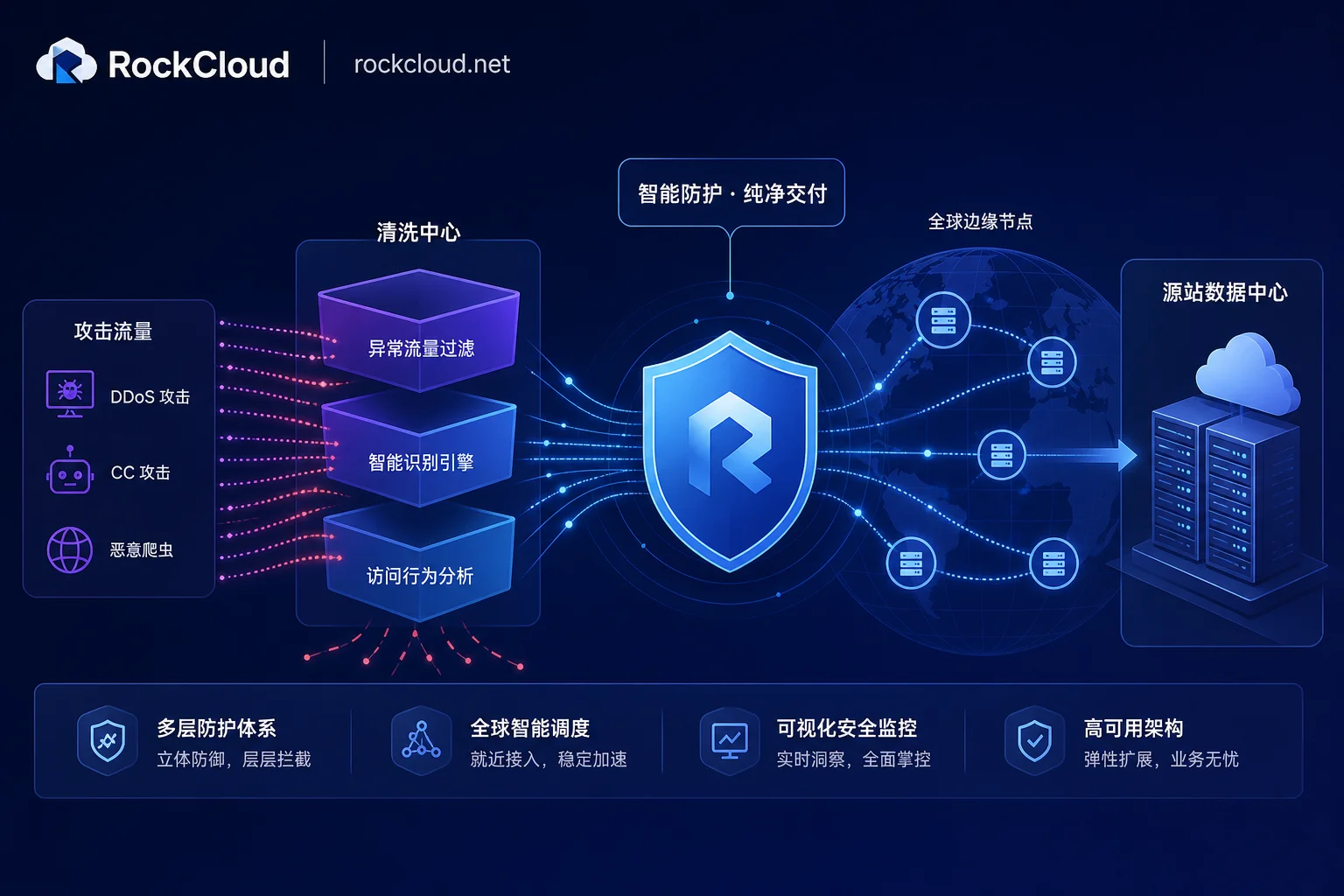
Fighting AI Botnets and Tbps DDoS Floods: Enterprise High-Defense IP Selection and Deep Defense Architecture Guide
A guide to selecting high-defense IP and building a deep defense architecture against AI-powered botnets and multi-terabit DDoS attacks.

Differences Between High-Defense CDN, High-Defense IP, and High-Defense Servers and Enterprise Defense Solution Selection
A practical comparison of high-defense CDN, IP, and servers, explaining why cloud defense CDN is often the superior choice for enterprises facing DDoS and CC attacks.

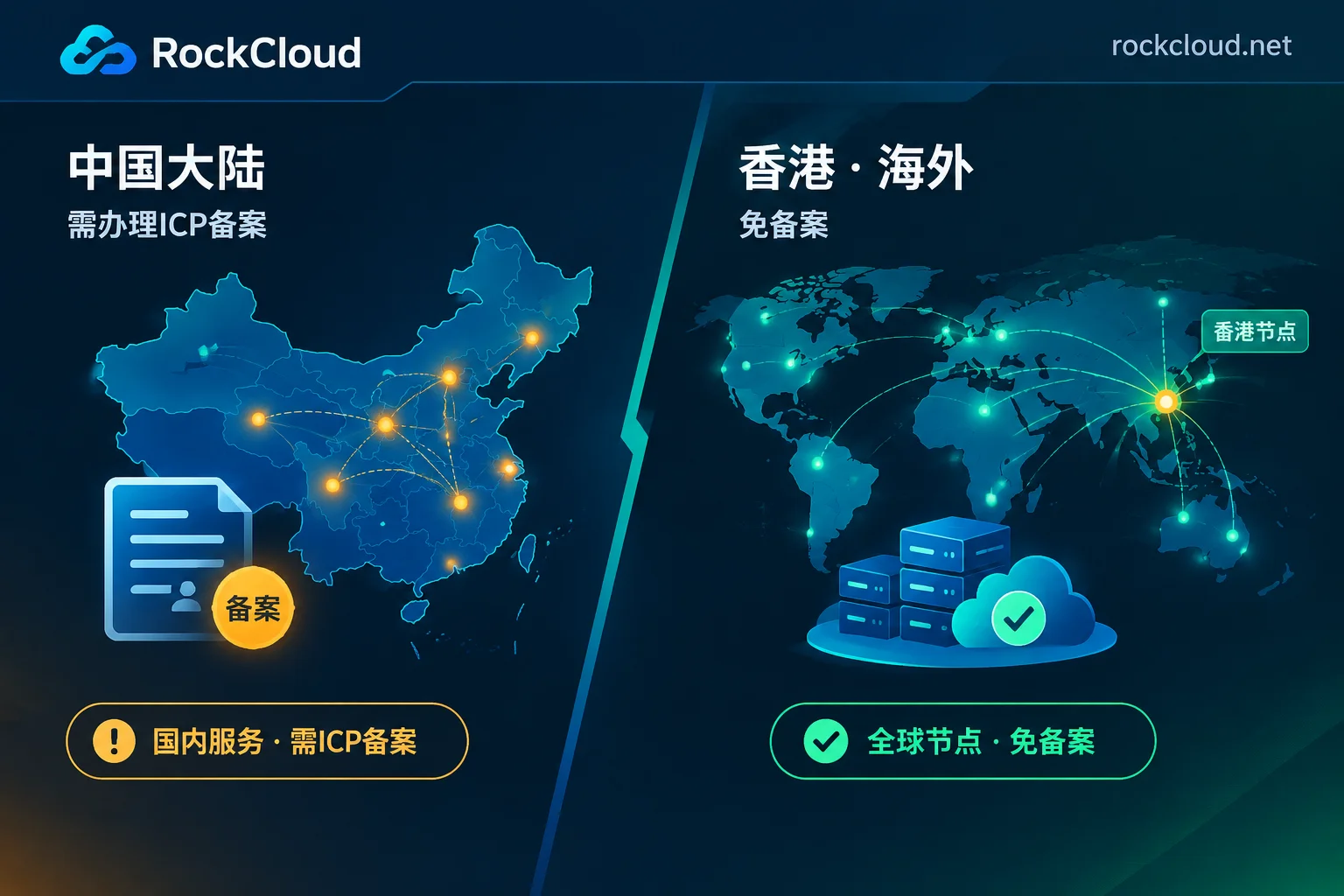
Combination of Unregistered CDN and High-Defense IP Is More Suitable
A comparison of high-defense server advantages and suggestion to use ECS-HK CDN for integrated acceleration and protection.