 RockCloud-基石云安全-官方博客
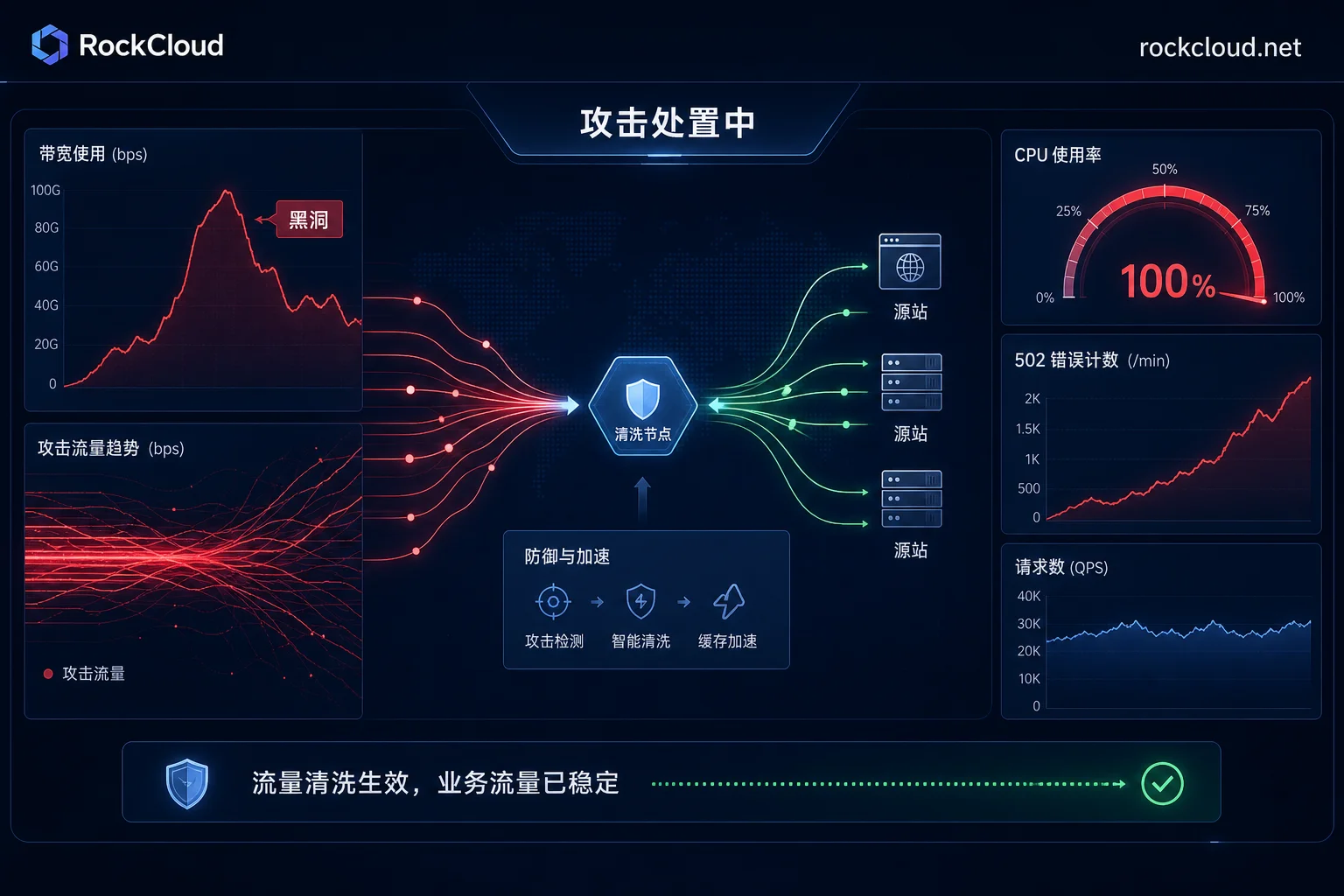
Website Under DDoS Attack? 5-Step Emergency Recovery Sequence
When a website is being hit by DDoS or CC attacks, quick recovery depends on the right sequence: first identify the attack layer, isolate the origin server (change IP if necessary), switch DNS to a mitigation node, suppress application-layer traffic at the edge, and finally clean up lingering connections.

How to Hide Your Origin Server: 5 Defense Layers from Exposure to mTLS Origin Pull
Learn a 5-layer defense strategy to hide your origin server from direct attacks, covering exposure cleanup, DNS resolution lockdown, network whitelisting, mTLS authentication, and edge capacity.
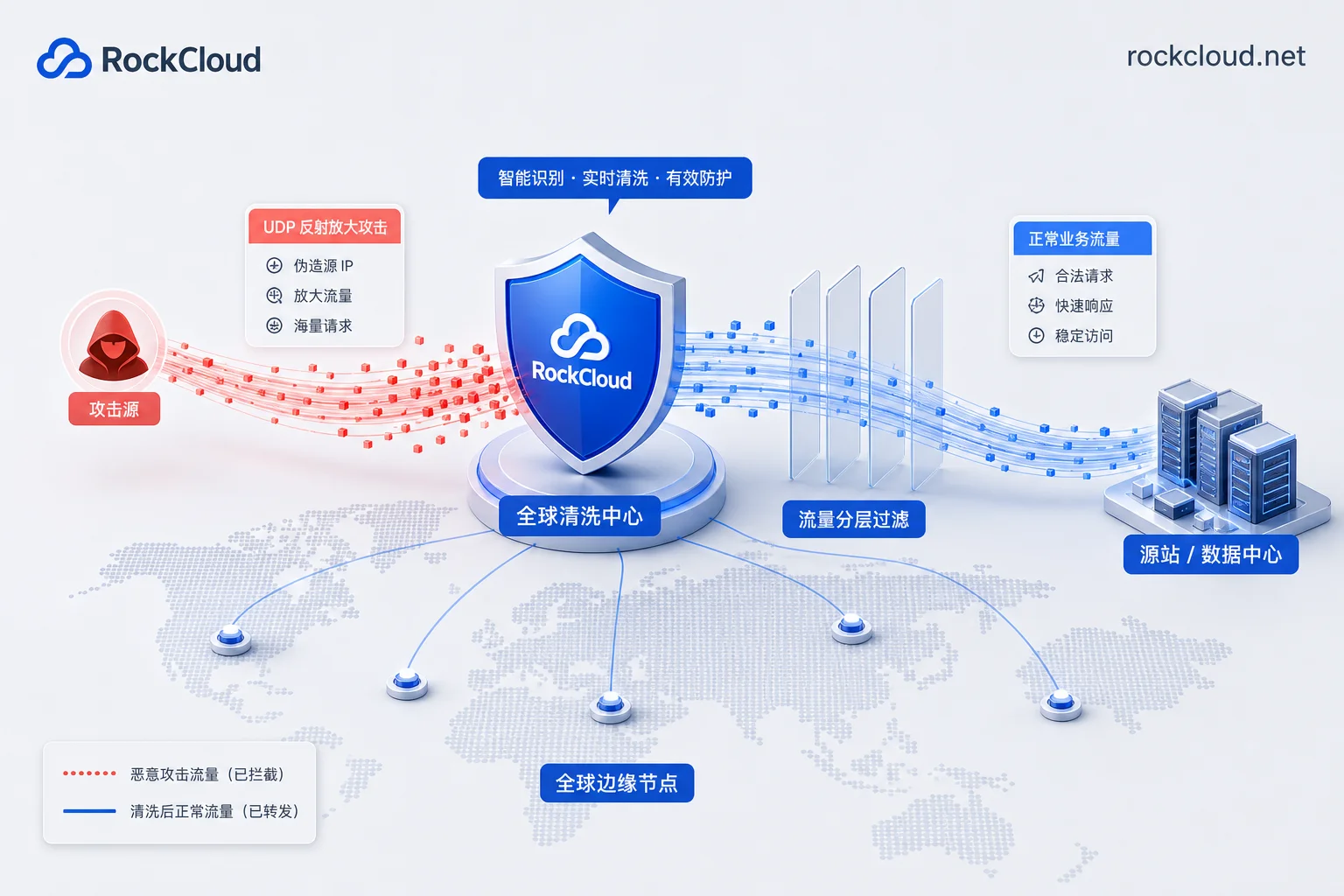
Pros and Cons of Blocking Overseas UDP Traffic on Overseas High-Defense IP: How to Decide Among 4 Trade-offs
Blocking overseas UDP traffic on overseas high-defense IP can quickly stop reflection amplification attacks, but it also disrupts DNS, QUIC, gaming protocols, and more. This article breaks down the pros and cons and offers four strategic trade-offs.
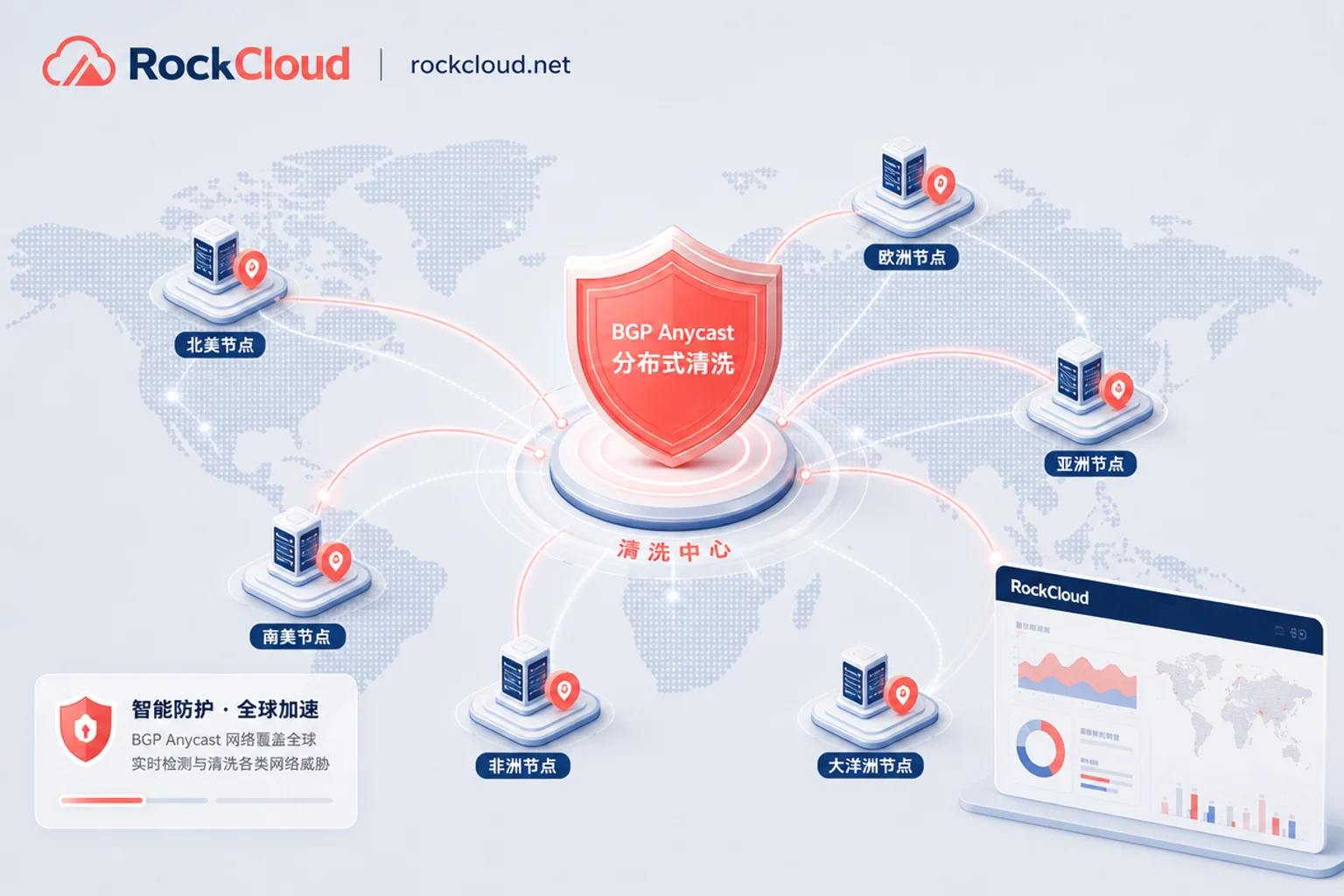
How to Verify BGP Anycast Technology in DDoS Mitigation
A practical guide to verifying BGP Anycast technology in DDoS mitigation through three self-testable links: route announcement, edge local drop, and node removal convergence.

How to Prevent DDoS Attacks | Methods and Tools
Learn how DDoS attacks work and discover effective defense methods and tools, including attack surface reduction, Anycast networks, and DDoS mitigation services.