RockCloud-基石云安全-官方博客
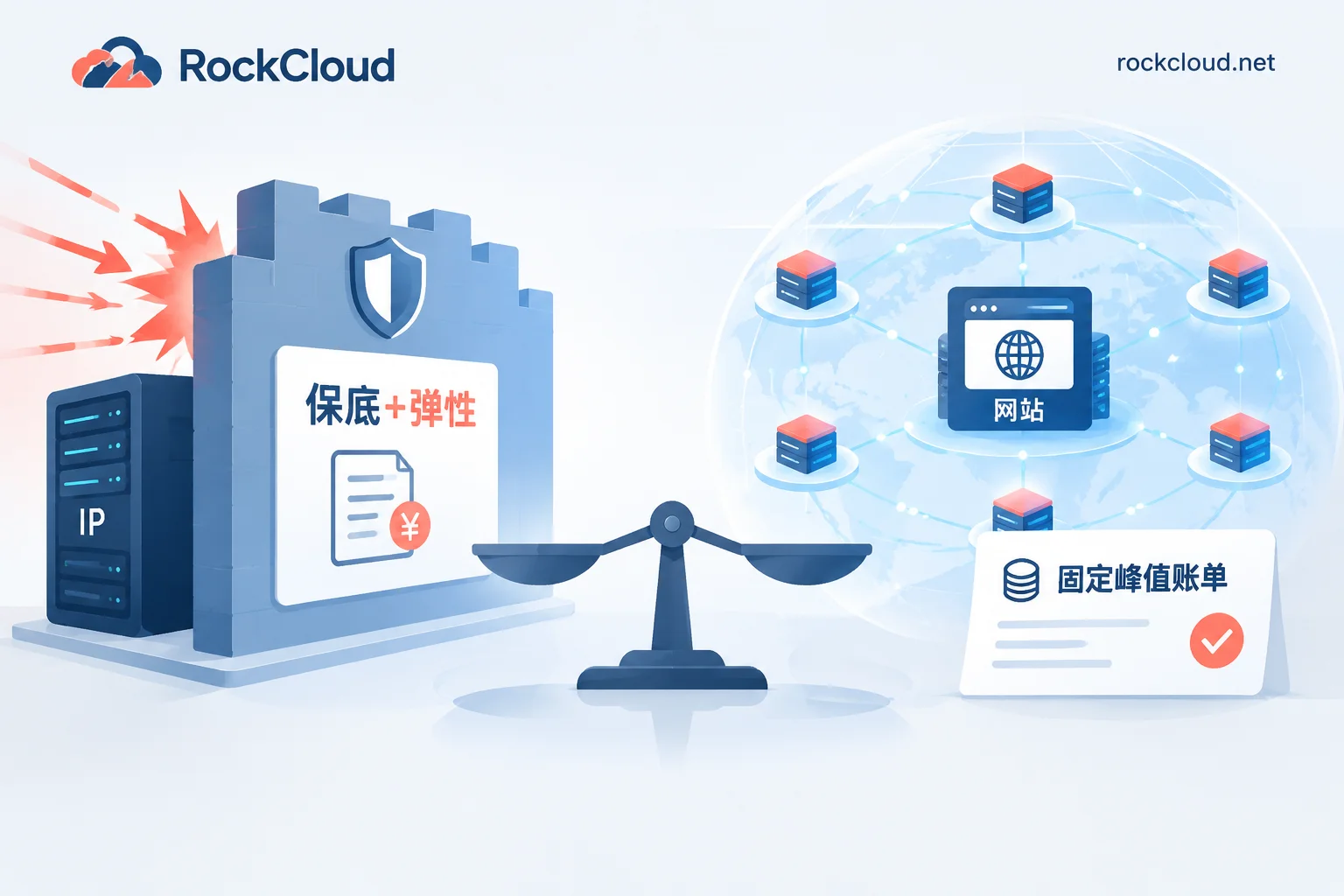
High-Defense IP vs. High-Defense CDN: Which Is Cheaper? Check Business Protocol First, Then Calculate Base, Elastic, and Acceleration Costs
For web and API businesses, high-defense CDN usually has lower initial and long-term costs than high-defense IP. For Layer 4 TCP/UDP businesses like games and long connections, ordinary high-defense CDN cannot be used, leaving only high-defense IP or game shield. This article breaks down the billing items of both, points out common overspending like high-defense IP elastic protection fees and CDN billed by traffic being inflated by CC attacks, and lists questions to ask when getting quotes.
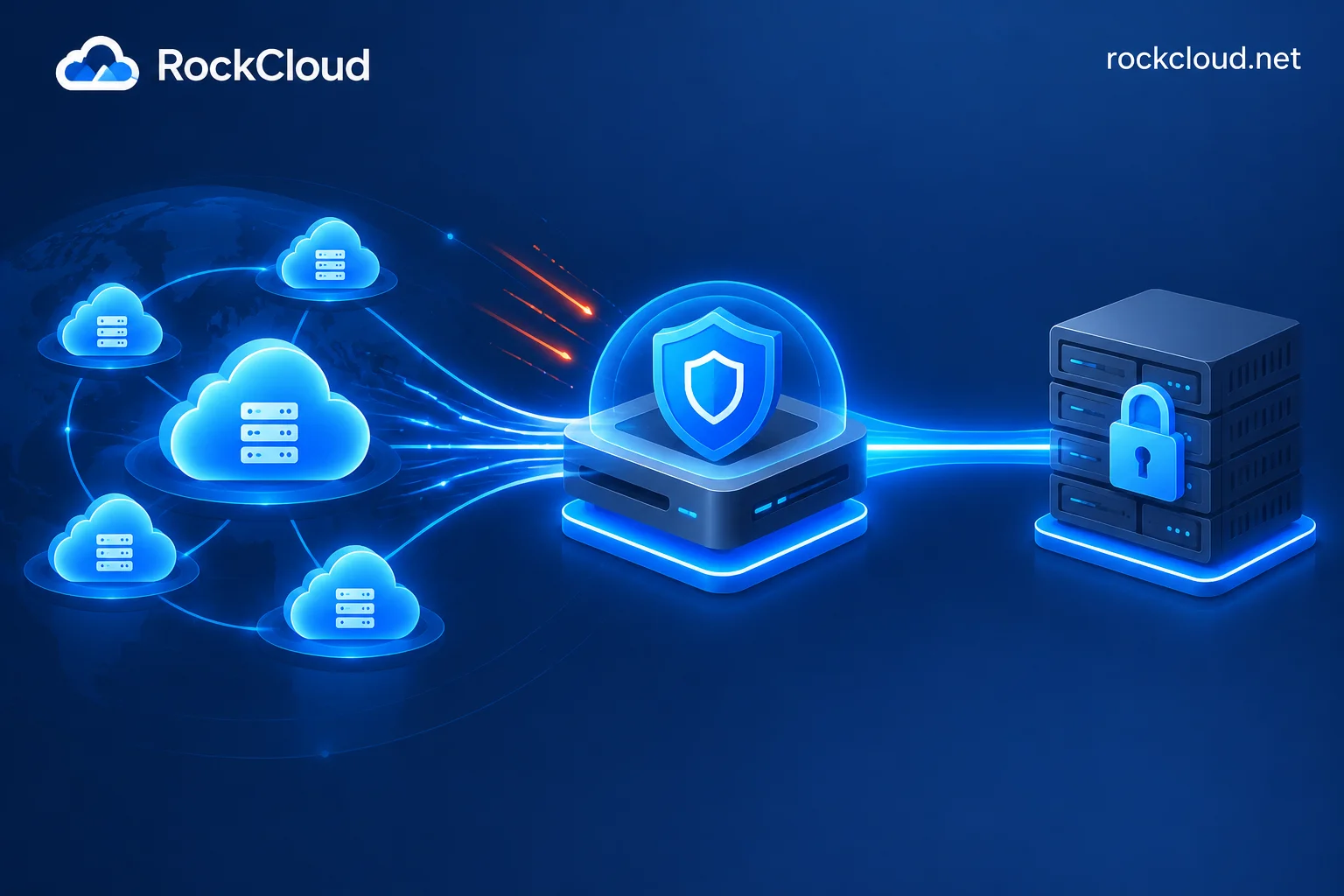
Can Anti-DDoS IP and Anti-DDoS CDN Be Used Together: Two Combined Architectures, Configuration Essentials, and Selection Criteria
Anti-DDoS IP and Anti-DDoS CDN can be used together, typically in a chained defense-in-depth setup or protocol-based traffic splitting. This article explains which business types suit each architecture, how to configure whitelists and real IP passthrough in a chain, how much complexity, latency, troubleshooting, and cost are added by stacking both layers, and when a single integrated solution is sufficient for ordinary web businesses.
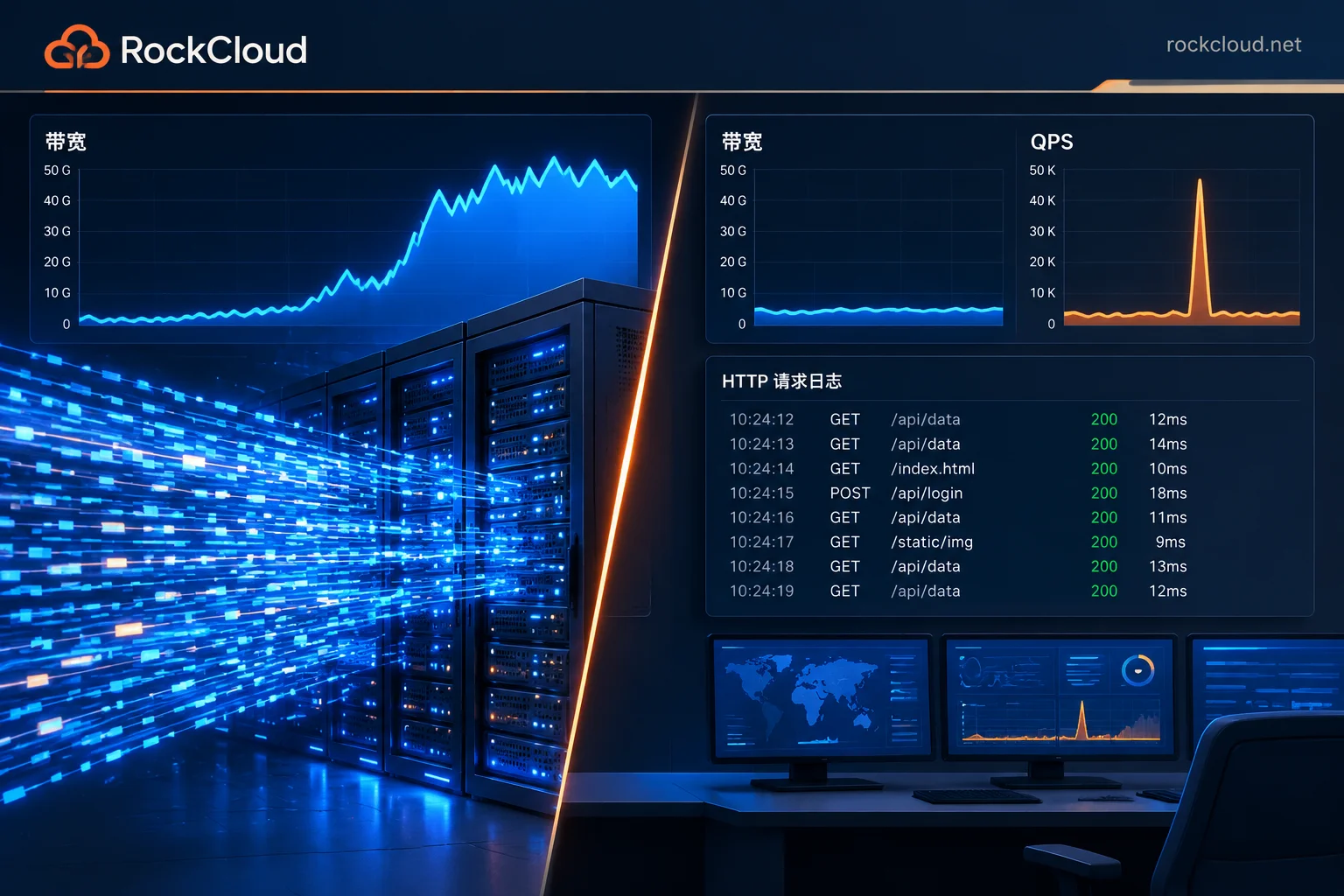
How to Tell If Your Website Is Under DDoS or CC Attack: Four-Step Diagnosis and Response
When a website suddenly goes down, three things can roughly distinguish the cause: whether bandwidth and packet volume spike, whether you can still log in to the server, and whether access logs show a flood of requests.
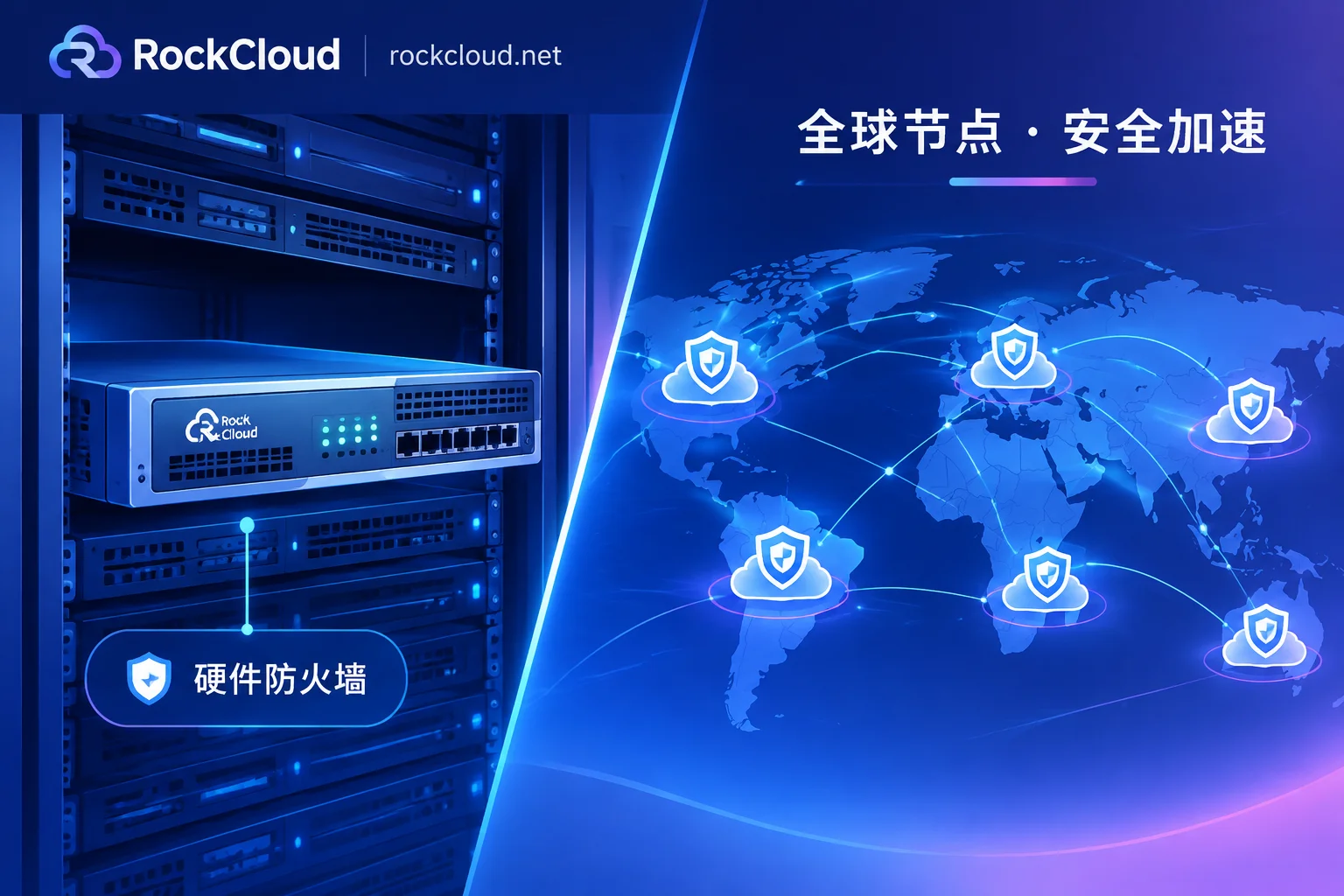
How to Choose Between Cloud WAF and Hardware WAF: Use Cases, Pros and Cons, and Selection Criteria
Compare cloud WAF and hardware WAF across five aspects: deployment, DDoS/CC capacity, operations, cost structure, and compliance controls. The article explains which business scenarios each suits, issues to watch in hybrid deployments, and conditions to verify before purchasing, helping website, gaming, API, and payment business owners decide which to choose.
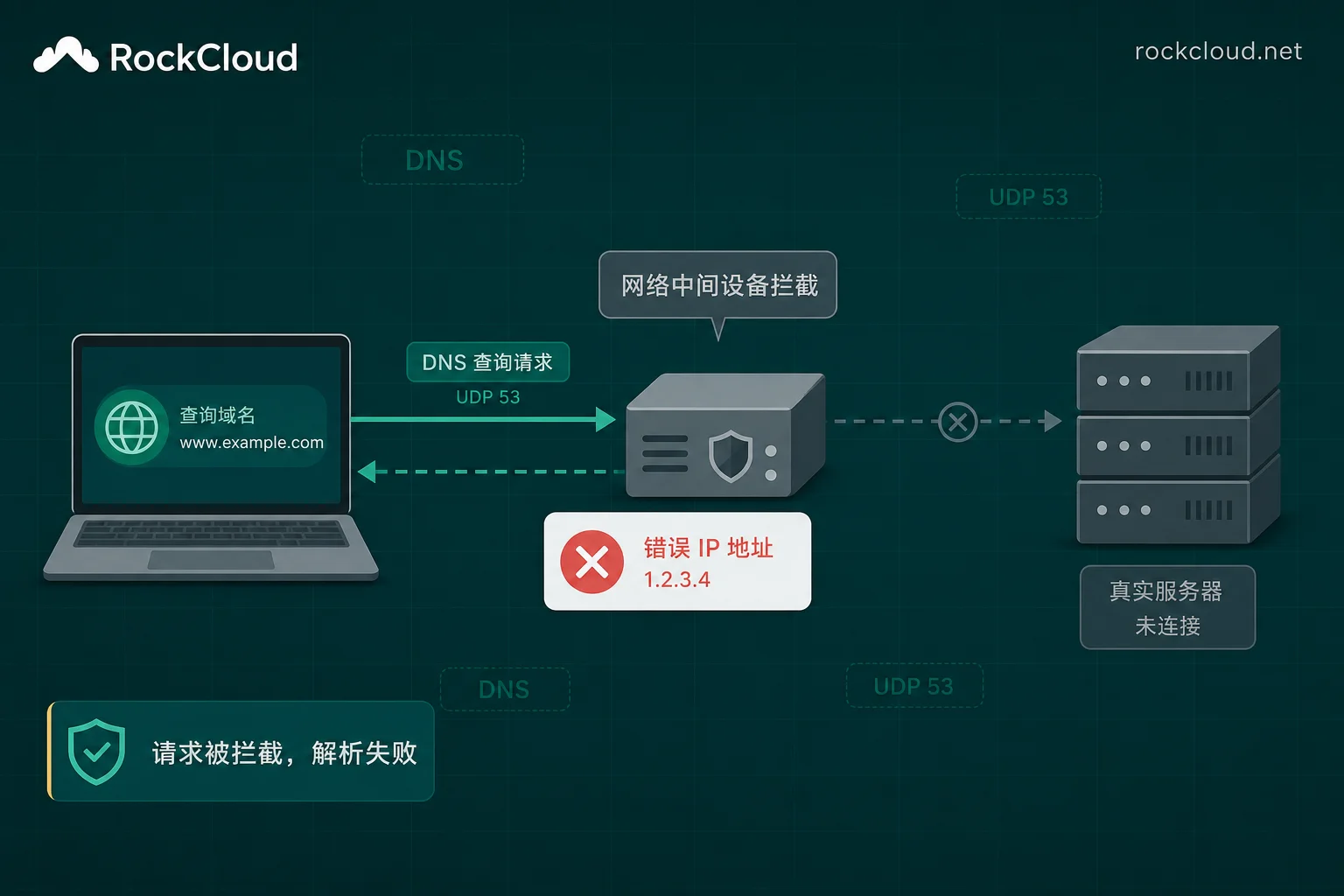
How to Recover a Domain Blocked by DNS Poisoning: Layered Diagnosis Before Cleaning or Reverse Proxy
A domain suddenly inaccessible in mainland China may not be DNS poisoning — this article provides a four-step check to confirm resolution-layer spoofing, rules out more common causes, and presents two recovery paths: temporary client-side self-rescue (DoH/DoT, hosts) and business-side recovery without changing the domain (poisoning cleaning, reverse proxy/high-defense CDN), plus post-recovery validation and recurrence monitoring.