RockCloud-基石云安全-官方博客
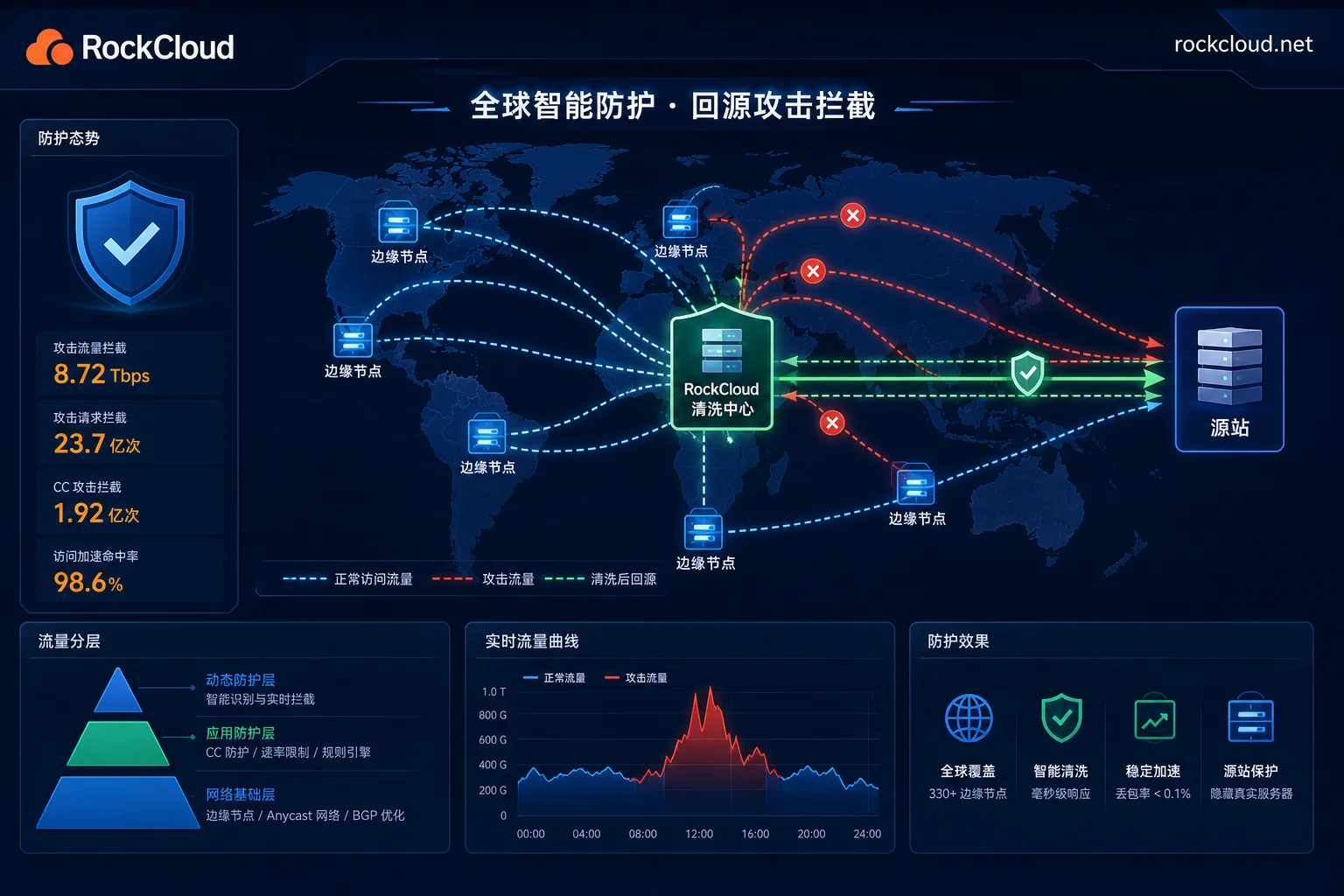
How to Optimize High-Defense CDN Cache Strategy to Reduce Origin Server Pressure: A 5-Step Configuration
Optimizing high-defense CDN cache strategy to reduce origin server pressure involves five steps: cache key normalization, request collapsing, layered origin fetch, path-based partitioning, and origin fetch whitelist, which intercept concurrent requests at the edge and drastically reduce origin fetch volume.
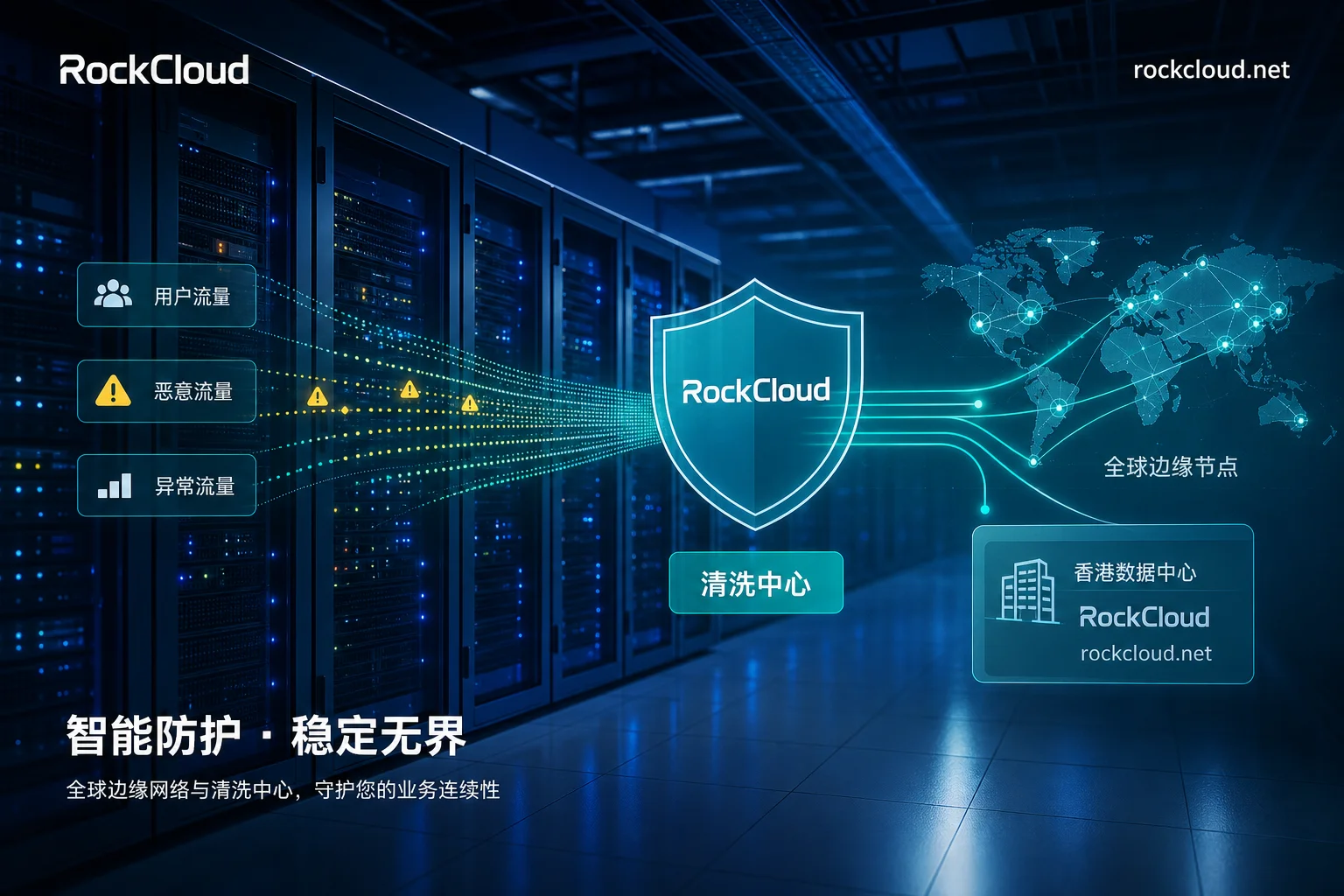
How to Choose a Hong Kong CN2 Server? 6 Criteria to Verify Before Signing
Break down Hong Kong CN2 server selection into two independent capabilities: line quality and DDoS mitigation, providing 6 verifiable criteria covering return-path CN2 validation, peak-hour packet loss, scrubbing mechanisms, blackhole policies, cross-border return routing, and non-HTTP traffic support.

WebSocket Long-Connection DDoS Attack Defense: Four-Gate Configuration
Defending against WebSocket long-connection DDoS attacks hinges on four gates: handshake authentication, per-IP concurrent connection quotas, message rate limiting, and idle heartbeat timeout reclamation, as traditional WAFs lose inspection after the HTTP 101 upgrade.
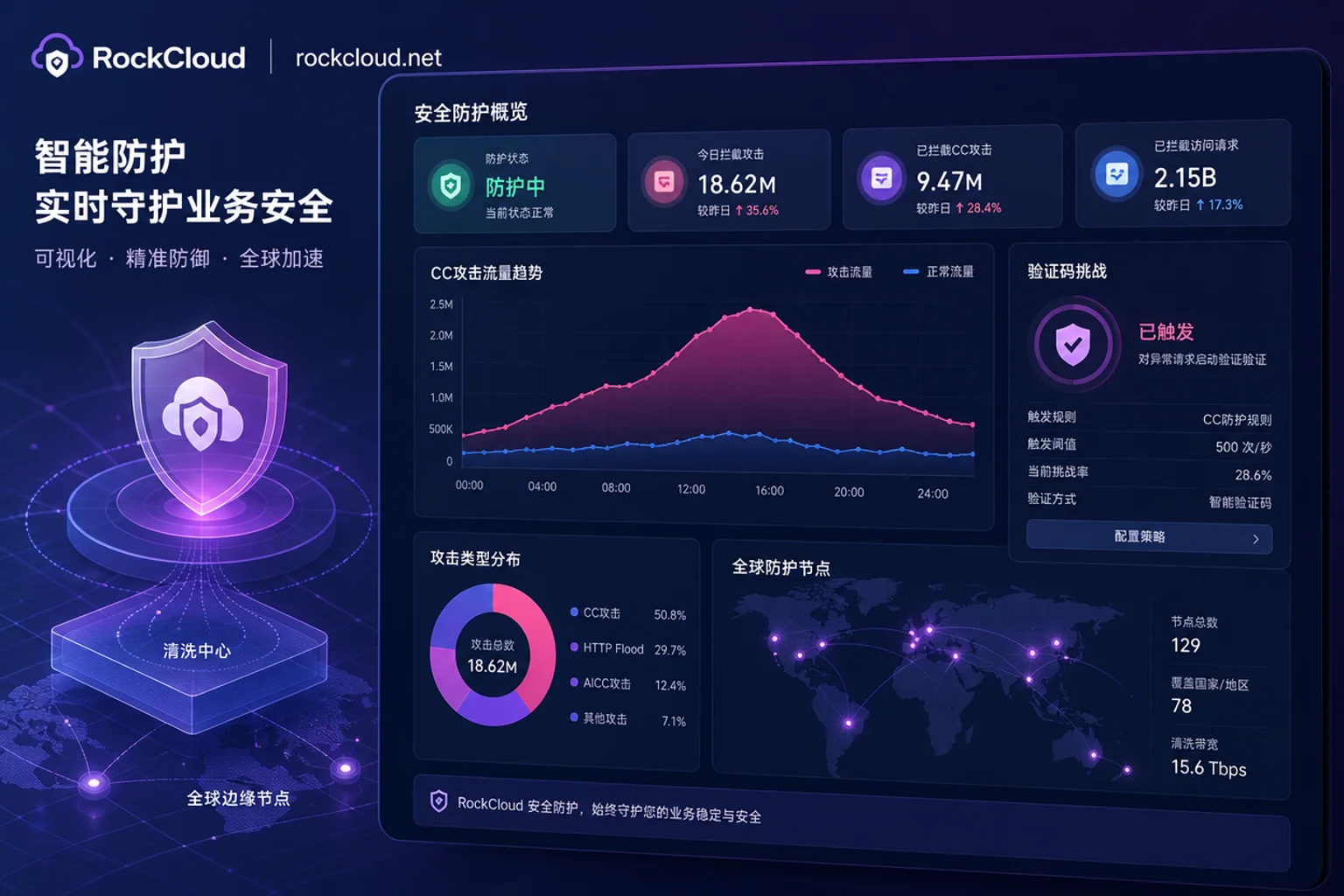
Dynamic CAPTCHA in Anti-CC Attack: Which Paths Trigger and What Thresholds
Effective dynamic CAPTCHA in anti-CC requires tiered triggering based on path value, using transparent checks, silent JS challenges, and interactive CAPTCHAs, adjusted automatically by anomaly signals, deployed at the edge, and clearly bounded by rate limiting and edge scrubbing.
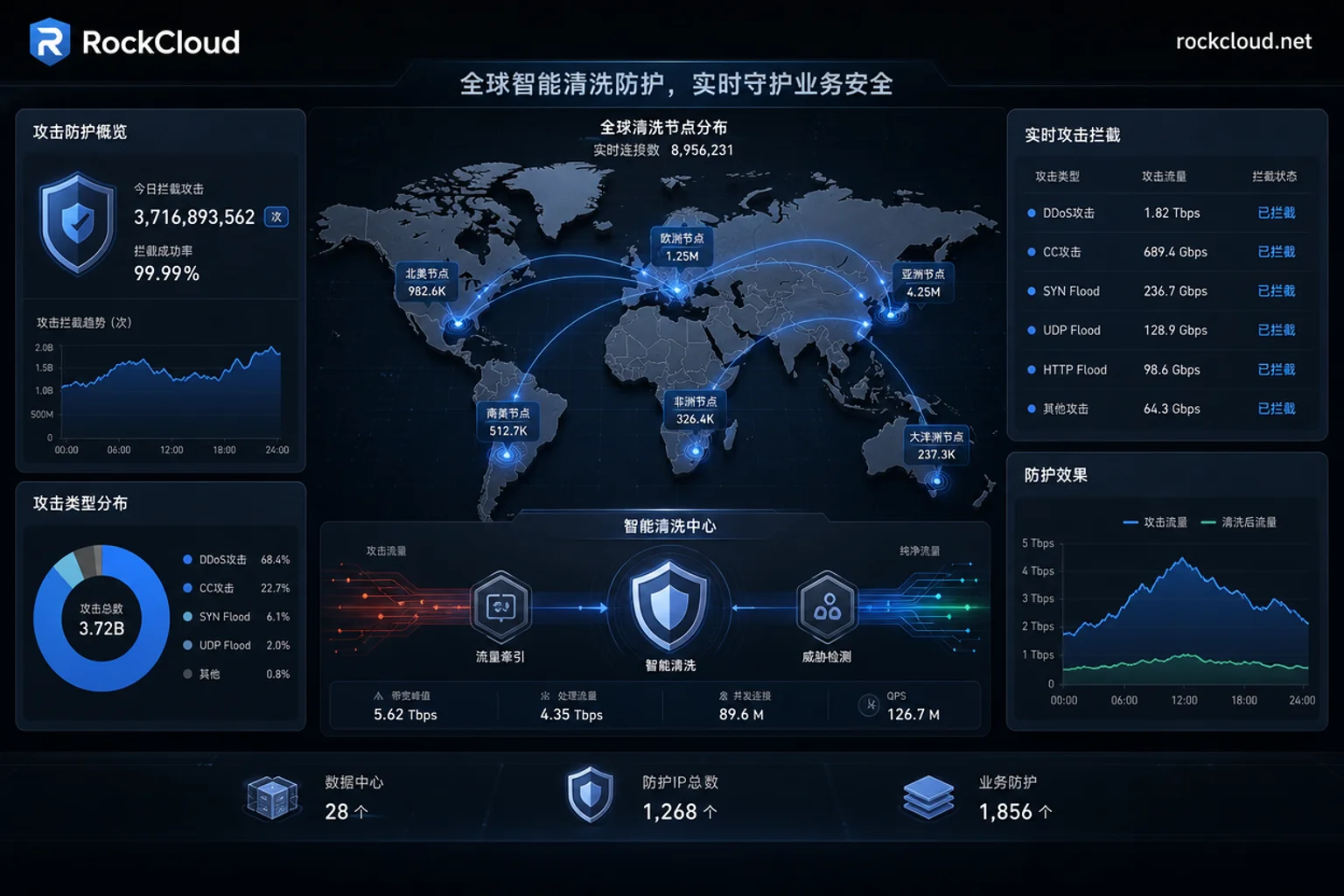
How to Choose High-Protection CDN? Six Criteria to Self-Test Before Signing
Learn the six key criteria to evaluate high-protection CDN providers before signing, beyond nominal defense peaks.