 RockCloud-基石云安全-官方博客
只是一个默认分类
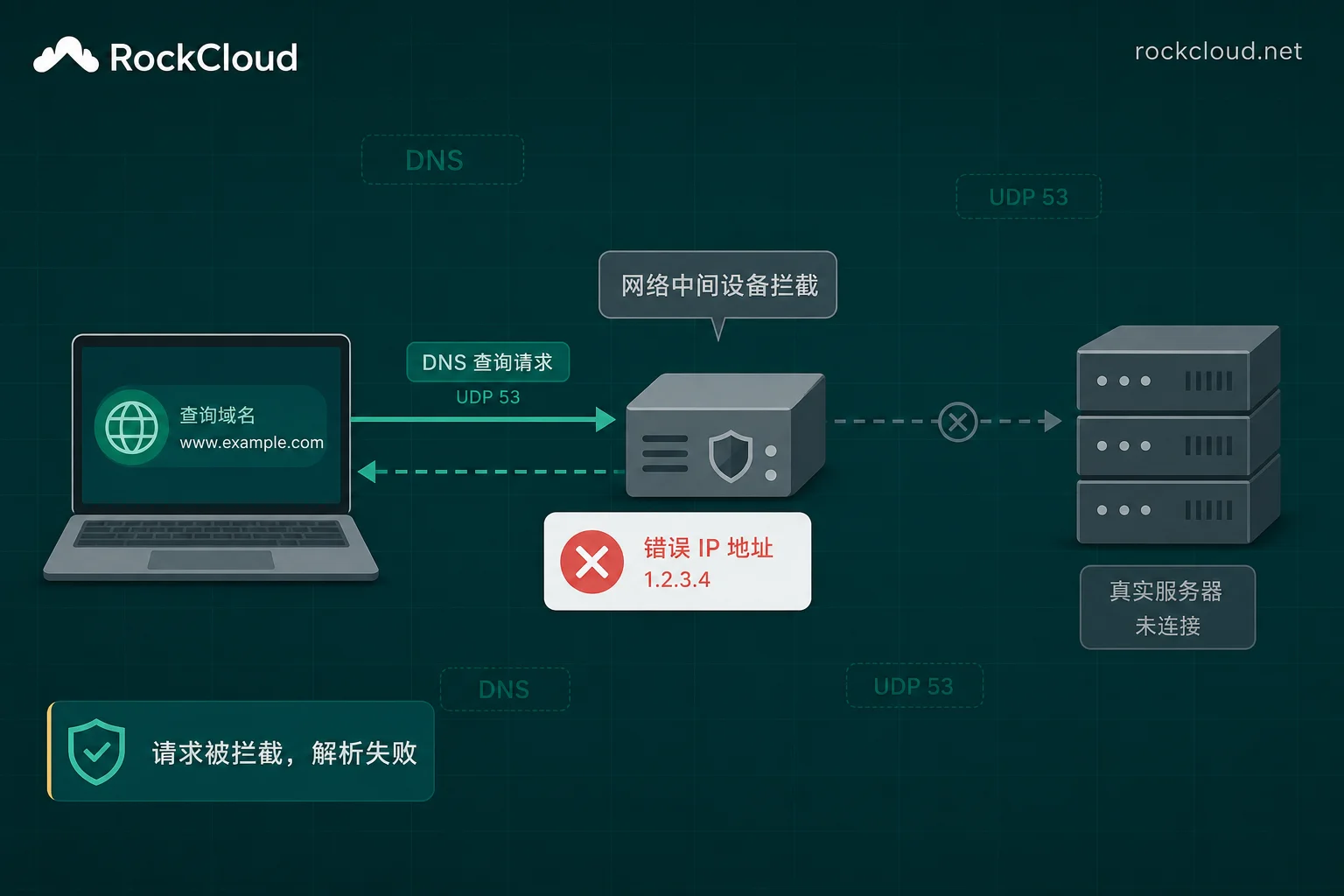
How to Recover a Domain Blocked by DNS Poisoning: Layered Diagnosis Before Cleaning or Reverse Proxy
A domain suddenly inaccessible in mainland China may not be DNS poisoning — this article provides a four-step check to confirm resolution-layer spoofing, rules out more common causes, and presents two recovery paths: temporary client-side self-rescue (DoH/DoT, hosts) and business-side recovery without changing the domain (poisoning cleaning, reverse proxy/high-defense CDN), plus post-recovery validation and recurrence monitoring.
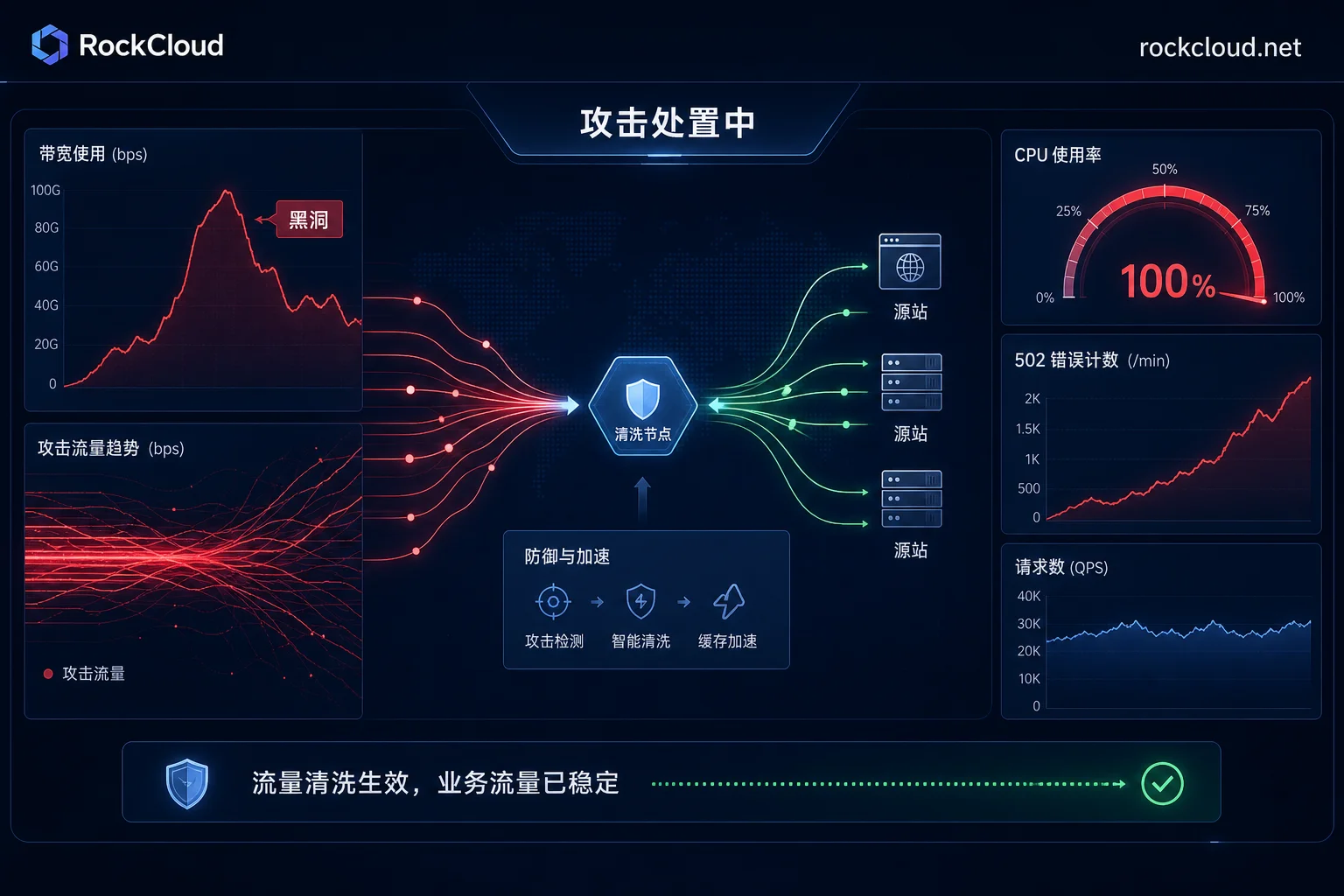
Website Under DDoS Attack? 5-Step Emergency Recovery Sequence
When a website is being hit by DDoS or CC attacks, quick recovery depends on the right sequence: first identify the attack layer, isolate the origin server (change IP if necessary), switch DNS to a mitigation node, suppress application-layer traffic at the edge, and finally clean up lingering connections.
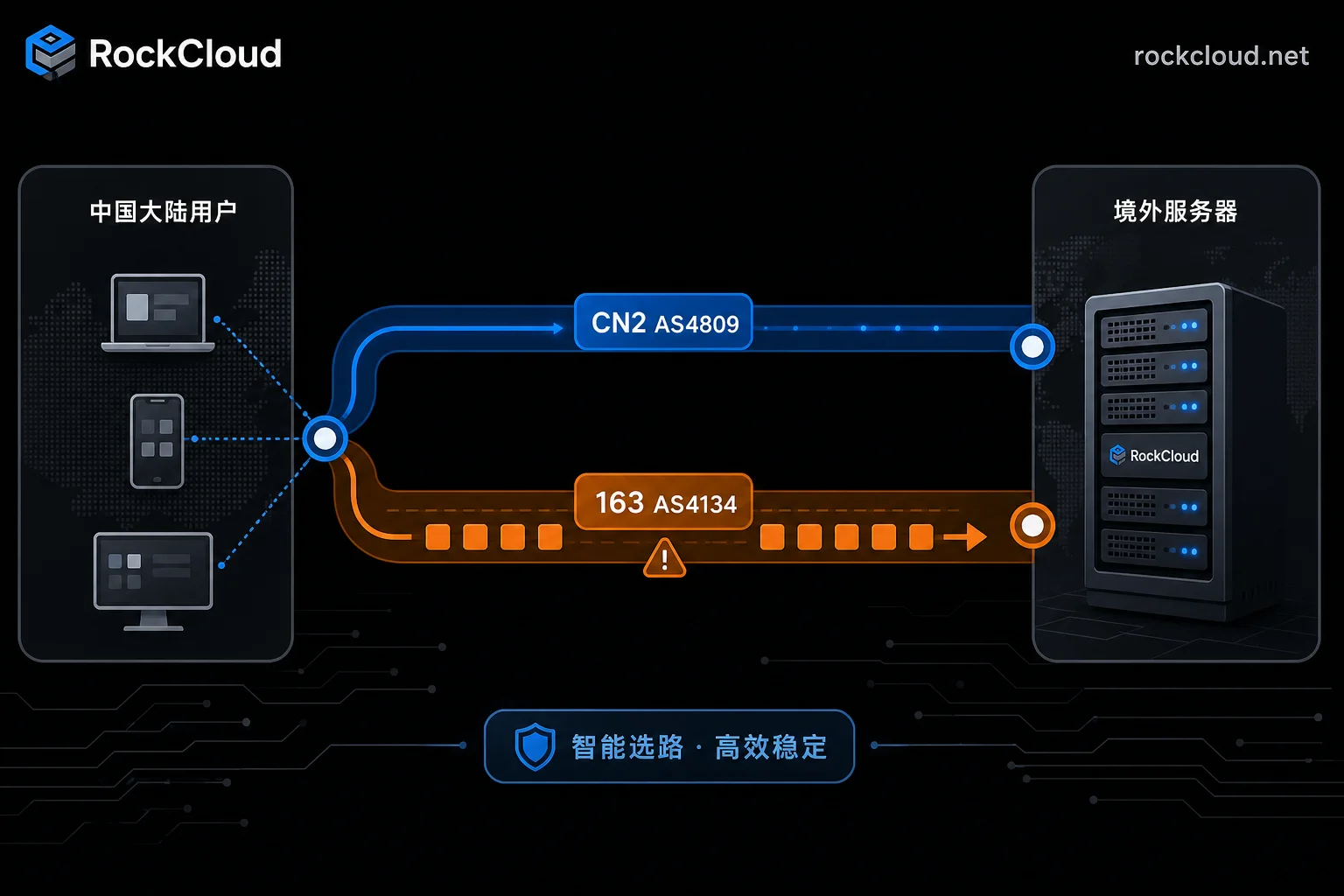
Choosing CN2 Line Acceleration: Test the Return Path First, Then Compare GT vs GIA
Before choosing a CN2 line, locate the bottleneck and distinguish between GT and GIA via AS numbers and route segments, focusing on testing the return path and cross-carrier performance.

How to Hide Your Origin Server: 5 Defense Layers from Exposure to mTLS Origin Pull
Learn a 5-layer defense strategy to hide your origin server from direct attacks, covering exposure cleanup, DNS resolution lockdown, network whitelisting, mTLS authentication, and edge capacity.

DDoS Attack Log Analysis and Traceback Methods: Layered Forensics and Response When Bandwidth Is Saturated
When a server's bandwidth is saturated or CPU is maxed out, this article provides a layered log-based forensics method to classify the attack type by analyzing inbound traffic characteristics, L4 connection states, and L7 access records, and map them to actionable response actions.