 RockCloud-基石云安全-官方博客
只是一个默认分类

How to Choose CDN Security Acceleration? Key Points for Three-Layer Decision-Making and Verification
This article dissects the three-layer mechanisms of CDN security acceleration—capacity absorption, request buffering, and Layer-7 rules—from the dual decision chains of acceleration and security, and provides the root causes and verification checklists for origin servers being directly attacked.

High-Protection IP vs High-Protection Server: Cost and Effectiveness Comparison
A detailed cost-benefit analysis comparing high-protection IP and high-protection servers across four key dimensions, with practical recommendations for different business scenarios.
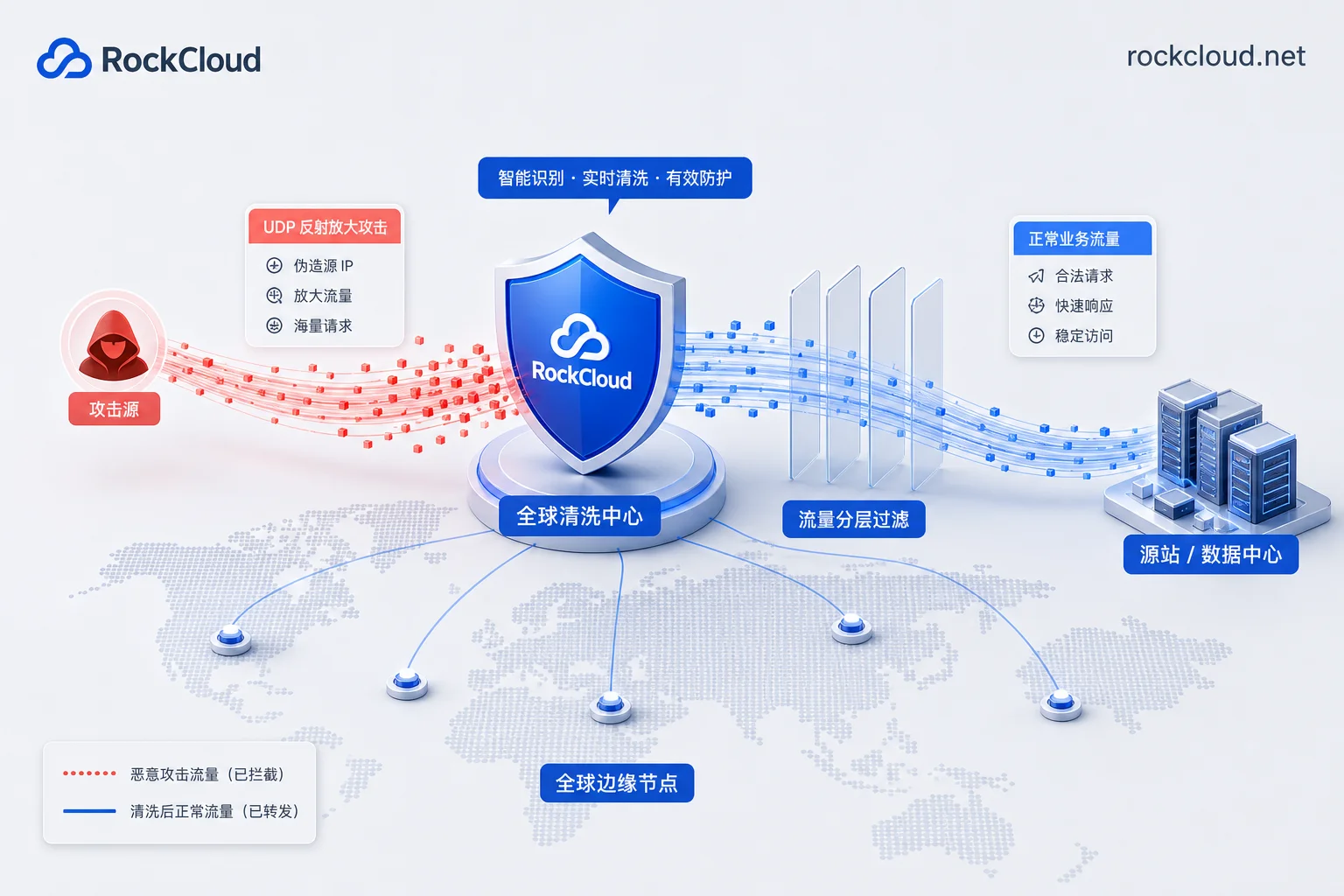
Pros and Cons of Blocking Overseas UDP Traffic on Overseas High-Defense IP: How to Decide Among 4 Trade-offs
Blocking overseas UDP traffic on overseas high-defense IP can quickly stop reflection amplification attacks, but it also disrupts DNS, QUIC, gaming protocols, and more. This article breaks down the pros and cons and offers four strategic trade-offs.
CN2 GIA vs CN2 GT Performance and Latency: A 4-Step Practical Test
CN2 GIA vs CN2 GT: The key difference is in return routing. Use bidirectional mtr and peak-hour testing to distinguish them in 4 steps.
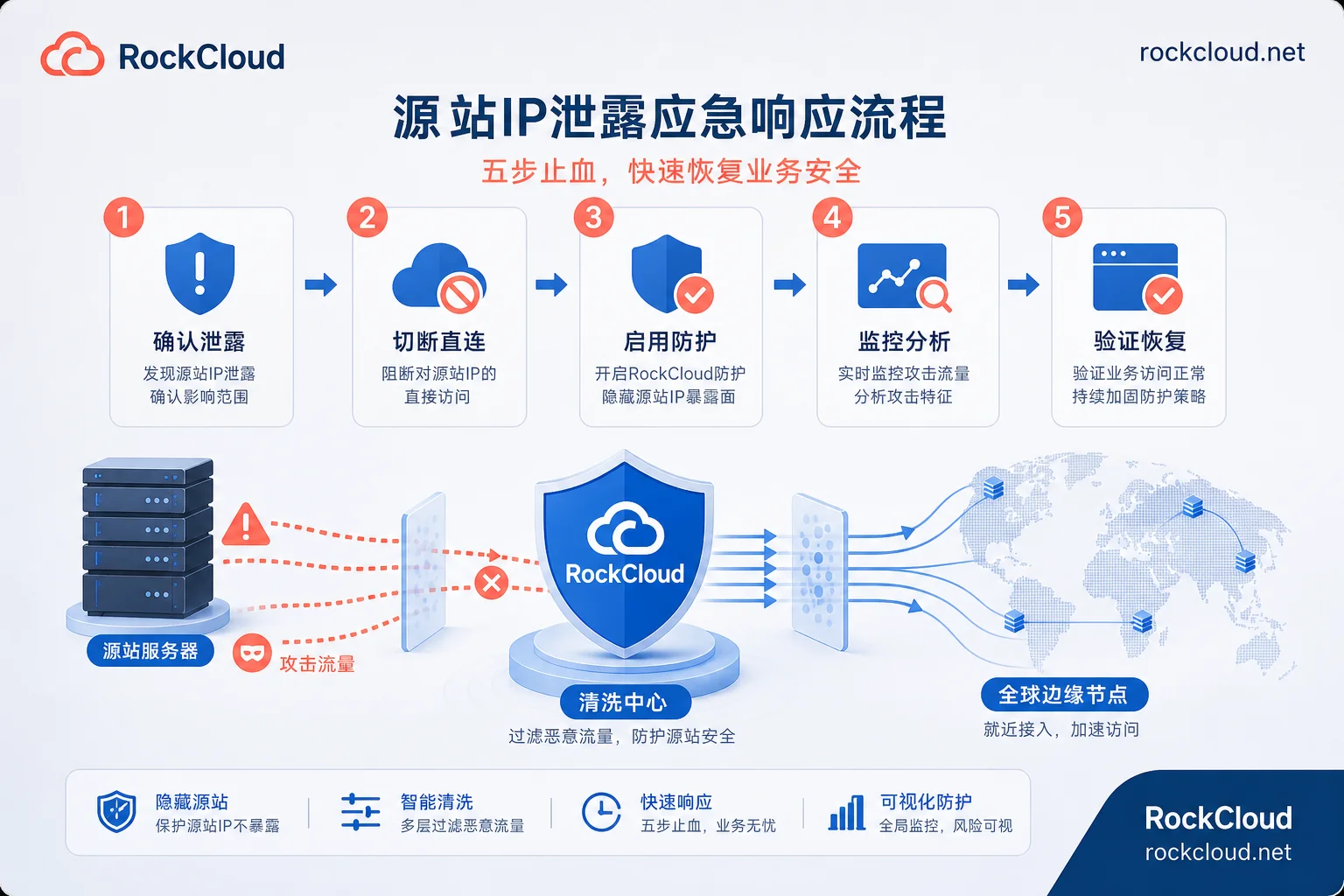
Emergency Response and Remediation Steps After Origin IP Leak: 5-Step Bleeding Control Sequence
Emergency response and remediation steps after origin IP leak: first use Step 0 to determine if the leak is real, then follow the five-step bleeding control sequence of 'containment → assessment → IP change → exposure fixation → verification'.