 RockCloud-基石云安全-官方博客
RockCloud Blog
Insights on cloud security, DDoS protection, CDN acceleration and reliable infrastructure.
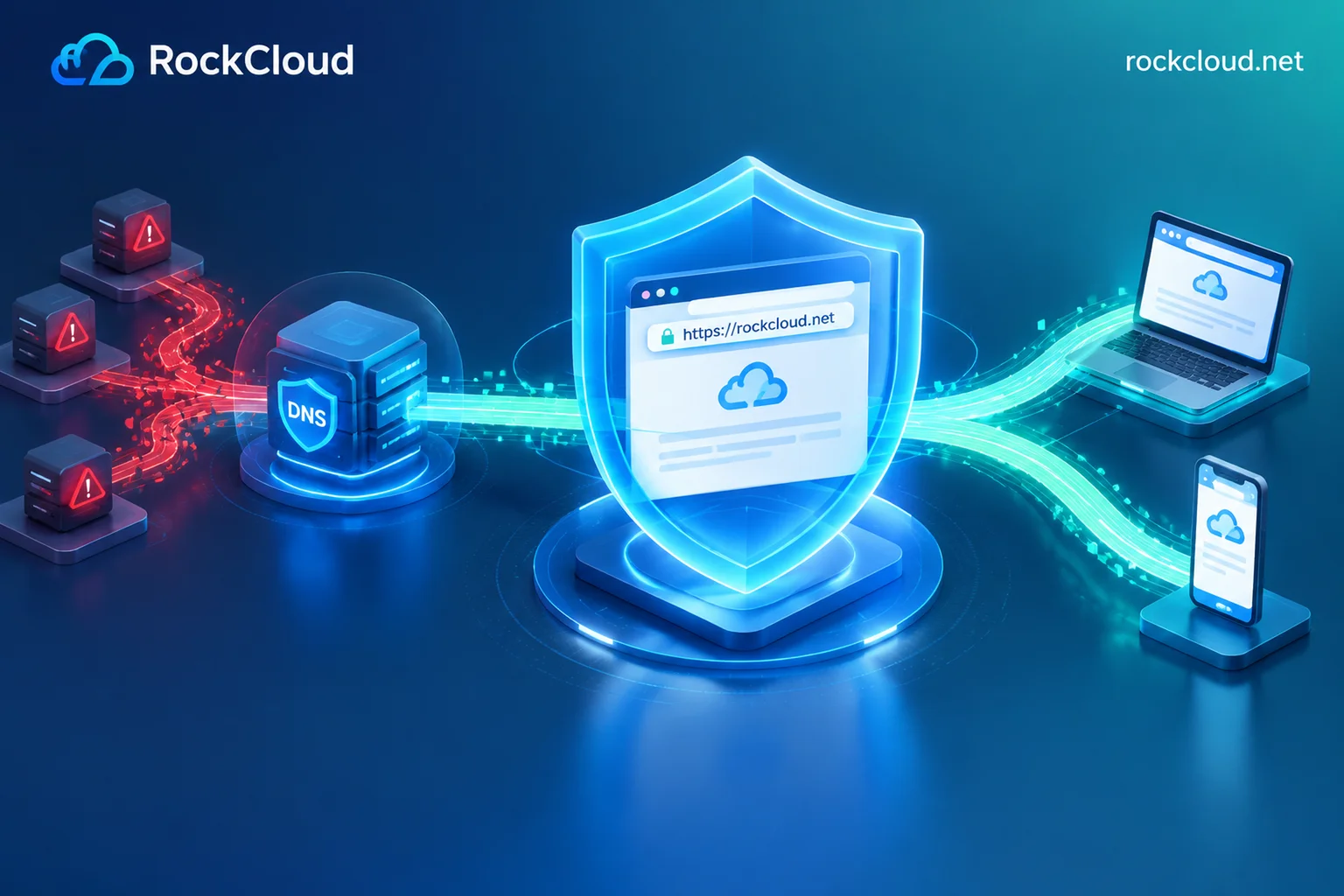
Domain Block Recovery: Distinguish DNS Pollution, ISP Blocking, and WeChat/QQ Interception, and Restore Without Changing Domain
When your business domain is inaccessible in some provinces or shows a blocked page in WeChat/QQ, frequently changing domains leads to user loss and broken promotion links. This article covers troubleshooting methods for DNS pollution, regional ISP hijacking, and social platform blocking, and explains how to achieve recovery without changing domains through DNS pollution cleaning, block recovery, and seamless 301 redirects.

Why Non-Filing CDN Access from Mainland China Is Often Slow: Return Routes, High-Defense Scrubbing, and a No-NS-Change Onboarding Solution
Many businesses choose non-filing CDNs to skip the lengthy ICP filing process, but after launch they often face evening peak lag for mainland users, origin servers overwhelmed by CC attacks, and huge bills from traffic-based billing being abused. This article analyzes from three dimensions—cross-border return routing, same-path DDoS/CC scrubbing, and smooth CNAME onboarding—how to build a non-filing acceleration defense line that balances mainland access speed and attack resistance.
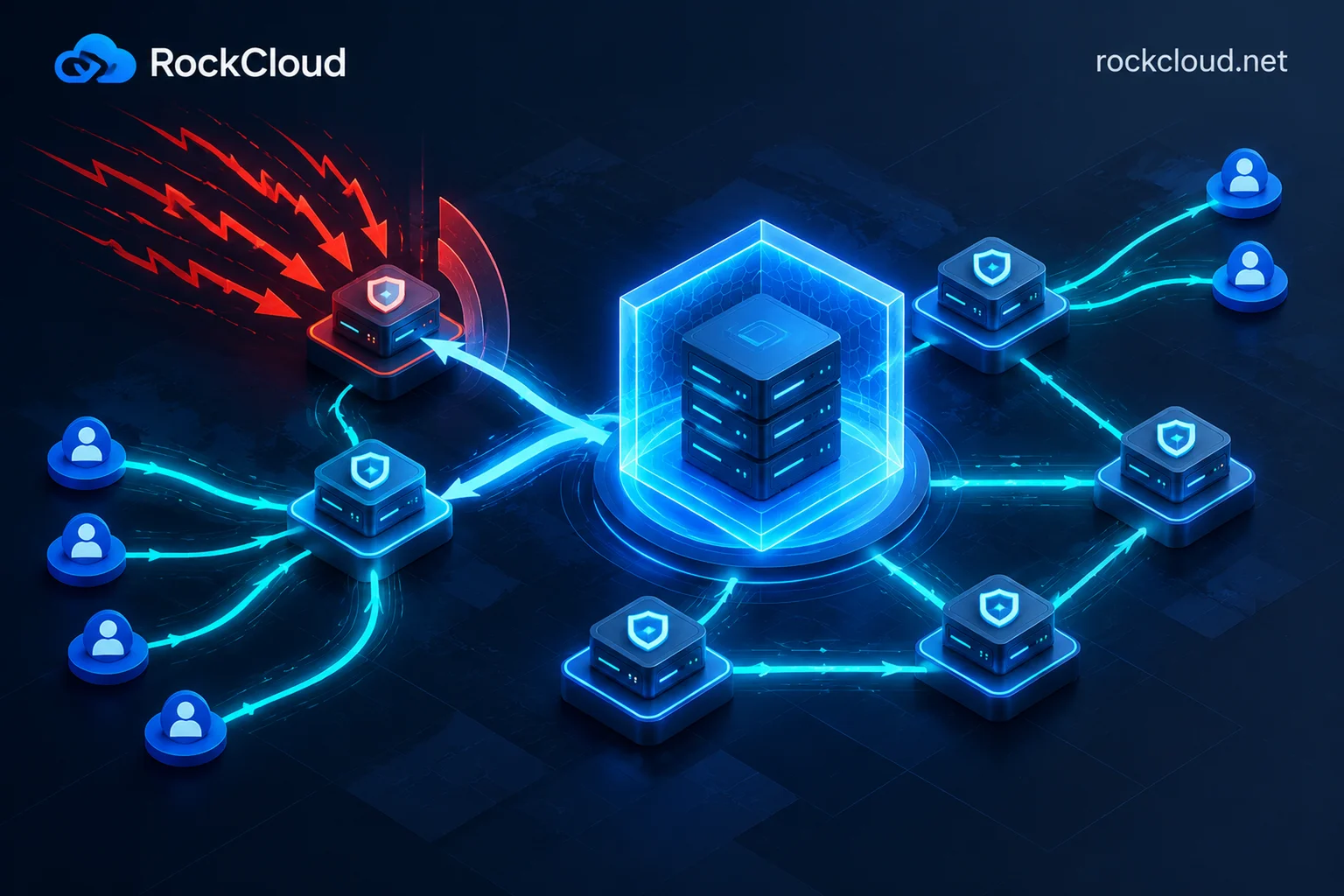
Why DDoS Attacks Cause Mass Disconnects in Games: How Game Shield Switches Nodes Without Dropping Connections
Real-time competitive and card games facing DDoS or TCP/UDP protocol attacks often suffer not just packet loss but mass disconnections, state rollbacks, and reconnection avalanches. This article breaks down three core protection mechanisms of Game Shield: private protocol encapsulation, distributed edge forwarding, and seamless node switching under attack, enabling full TCP/UDP protocol forwarding and preventing disconnections.
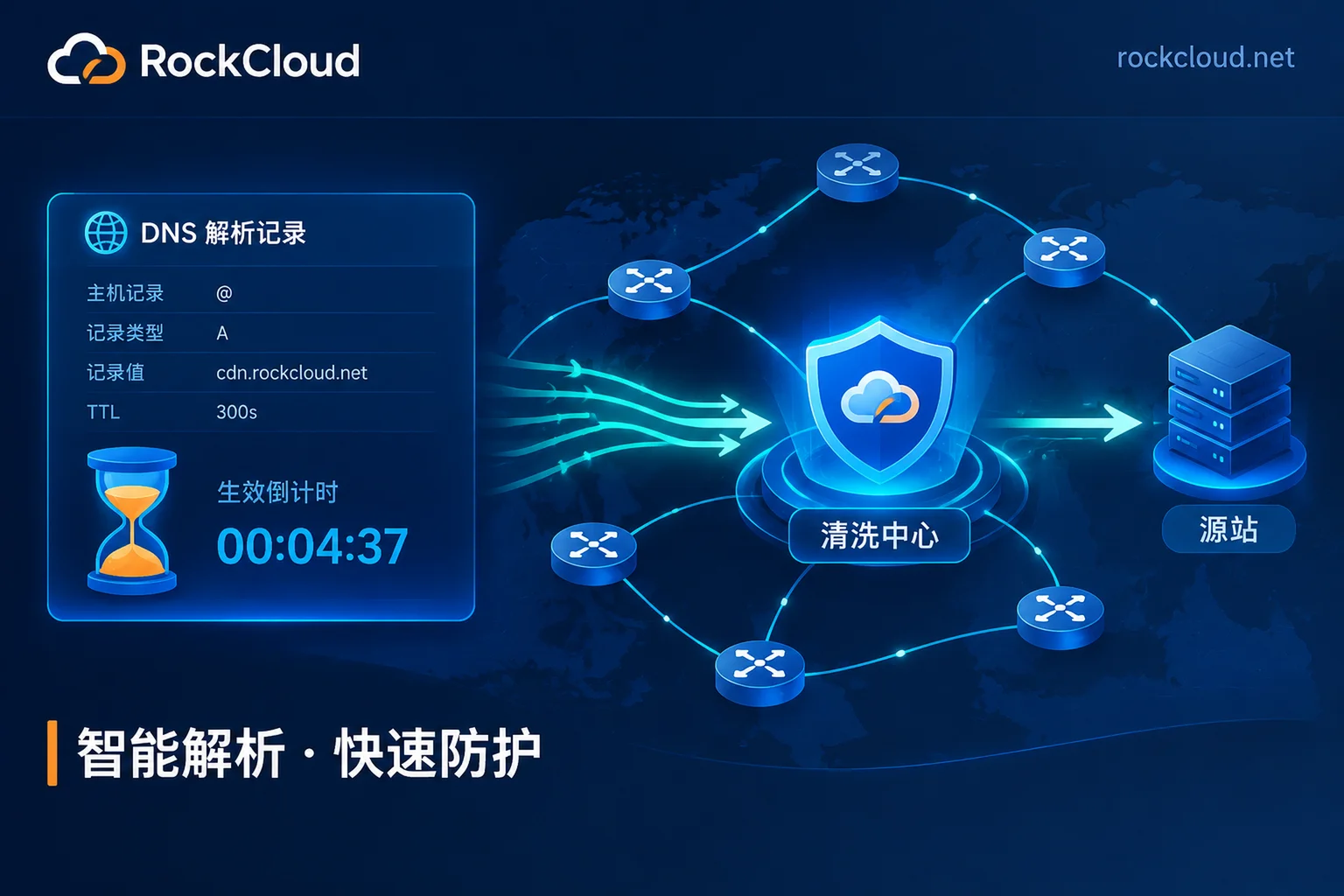
How Long Does a High-Defense Line Switch Take Effect: DNS Changes Take Minutes to Hours, BGP Steering Takes Seconds, and Always-On Access Requires No
The time it takes for a high-defense switch to take effect depends on how traffic is steered to the high-defense network. DNS changes are affected by TTL and local LocalDNS caches, typically taking a few minutes to tens of minutes, and in some cases hours. BGP route steering generally takes a few seconds to 60 seconds. When the business is already on the high-defense link, adjusting policies only takes seconds. This article covers two scenarios—planned cutover and active attack—and provides the operational sequence to shorten the wait and methods to confirm whether the switch has taken effect.
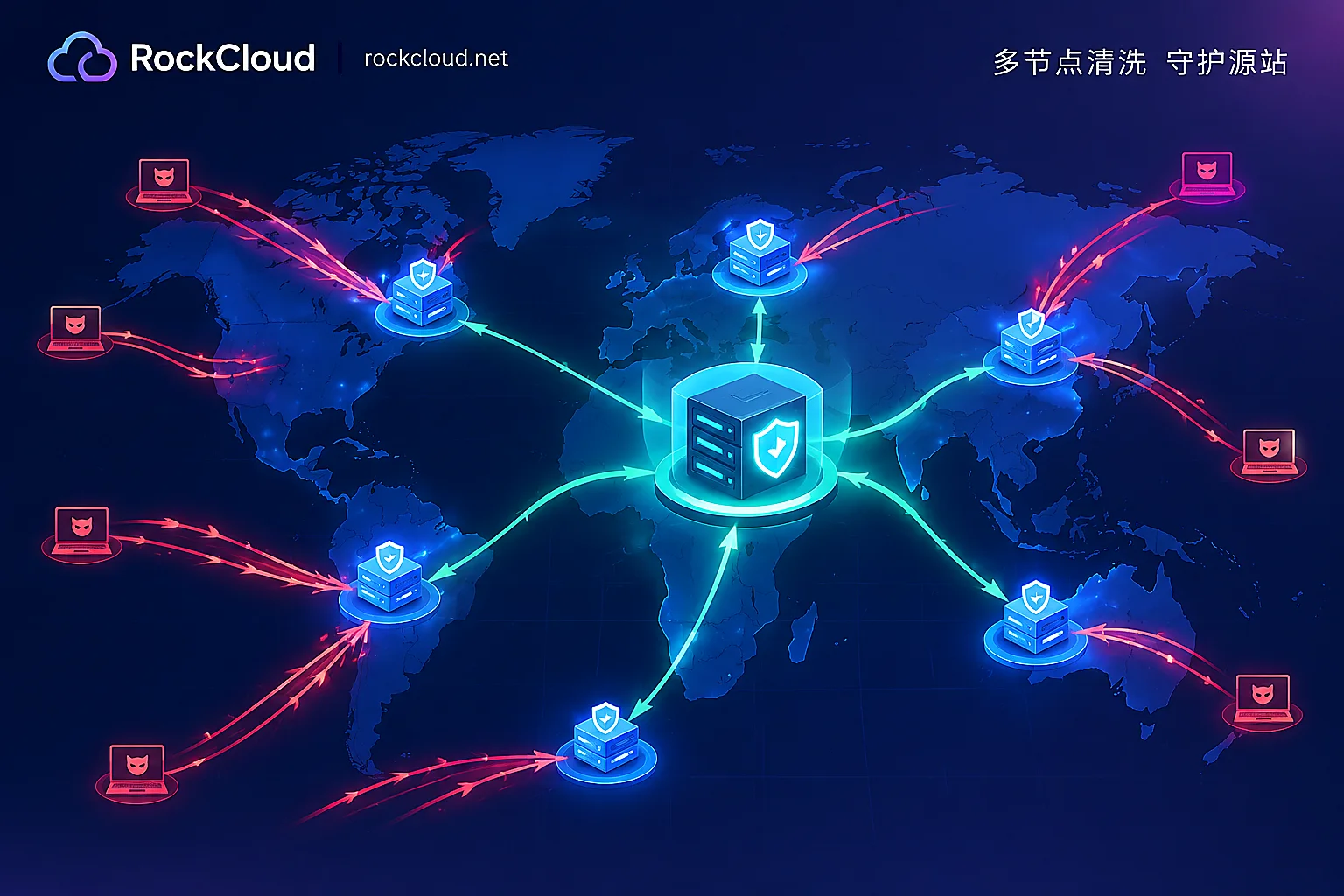
How BGP Anycast Scrubbing Works: Traffic Steering, Layered Filtering, and Origin Injection
BGP Anycast scrubbing works in three steps: multiple scrubbing nodes announce the same IP range, pulling traffic and attacks to the nearest nodes; each node filters at layers 3/4 and 7; clean traffic is then sent back to the origin via reverse proxy or tunnel.
